

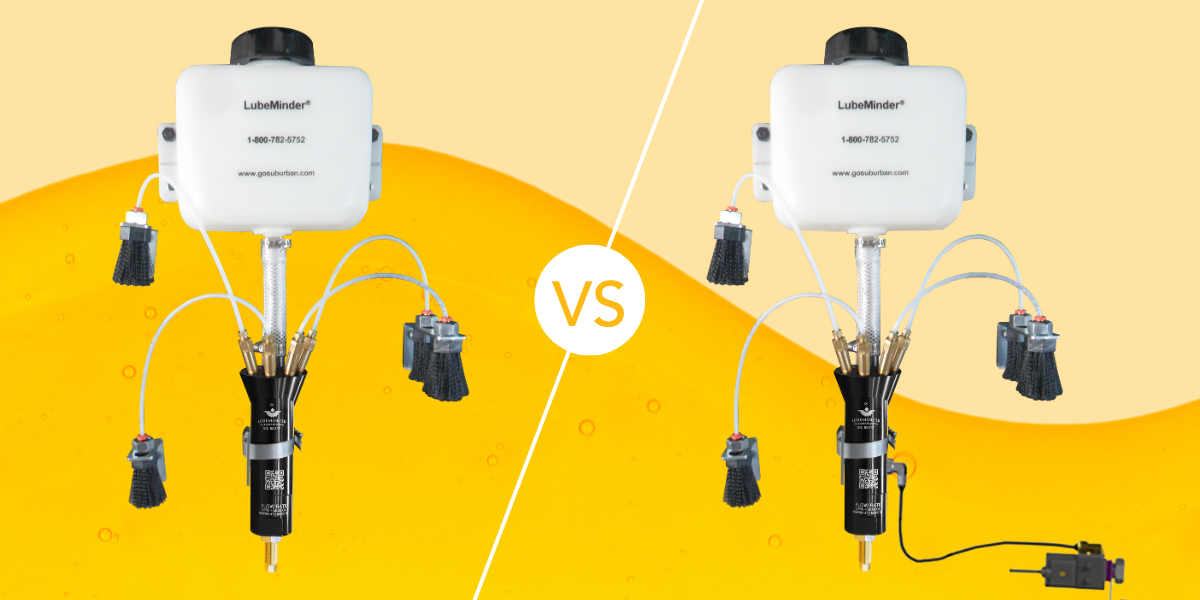
Hydraulic and pneumatic lubrication systems are both useful additions when it comes to keeping equipment slick and running smoothly. They both keep chains, sprockets, and joints cool and lubricated while the equipment is on.
But what's the difference between the two? Hydraulic systems rely on incompressible oil to provide high-force, precise, and consistent lubrication. Pneumatic systems, on the other hand, use compressed air to apply oil more quickly, creating a cleaner process compared to hydraulic systems that rely on oil for power.
Aside from how they work, each system offers distinct advantages and is better suited for specific applications. Below, we’ll help you determine which oiling system best fits your setup.
What Is a Pneumatic Lubrication System
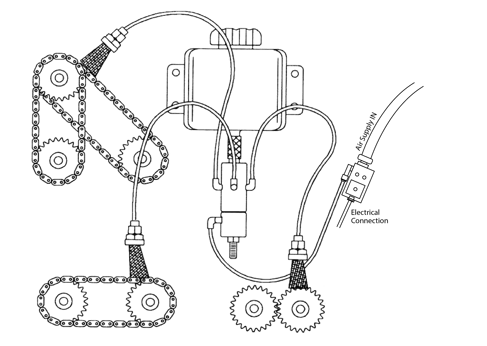
A pneumatic lubrication system adds a fine mist of oil into the air line to keep pneumatic tools running smoothly. Running on compressed air, it pulls a small amount of oil from a reservoir and turns it into a light spray, which then travels with the air to the tool, lubricating the moving parts.
What is a Hydraulic Lubrication System
Hydraulic lubrication systems operate based on Pascal’s principle, which is when pressure is applied to a fluid that is in a closed container, turning a small force in one area into a much large force somewhere else with relatively little effort. The pressurized fluid is used to power to transfer energy, power components, and deliver lubrication through the entire machine.
Similarities Between Hydraulic and Pneumatic Lubrication Systems
Lubrication systems - whether hydraulic or pneumatic - are both automatic oiler systems designed to deliver the perfect amount of lubrication at the right time to your equipment. They keep production running smoothly, helping avoid downtime. By maintaining proper lubrication, gears and sprockets stay protected, ensuring optimal performance and function.
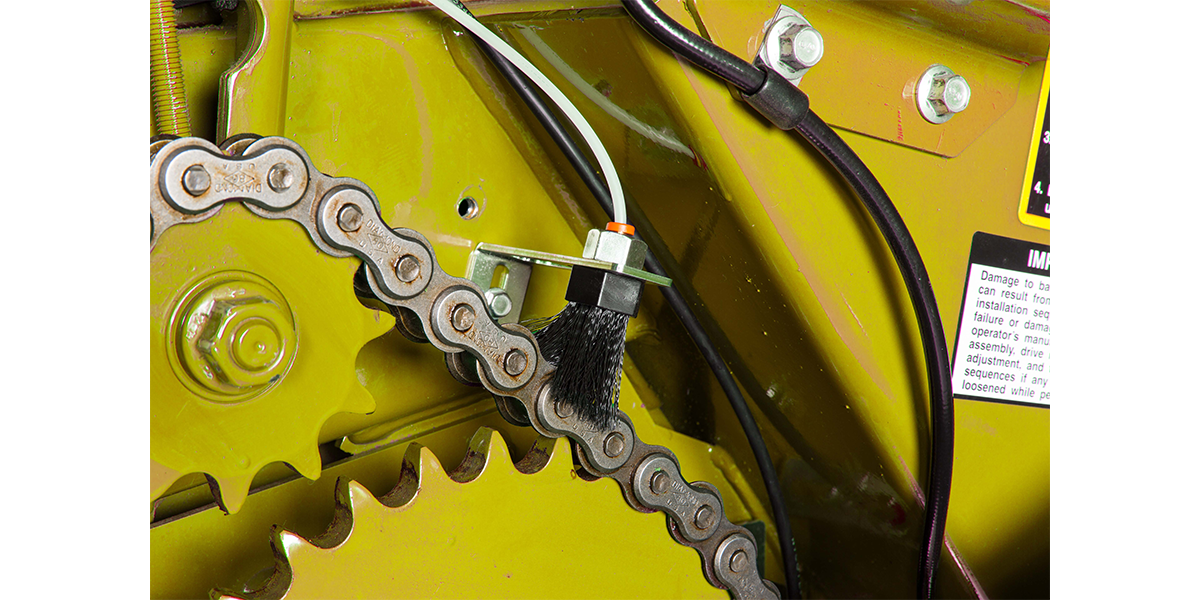
Lubrication systems all work similarly. A piston in the pump is actuated by a hydraulic pilot signal, which pushes oil down the line. The lubricant is then dispersed via brushes, which also clean the chains of dirt and debris. The brushes also evenly disperse the oil to the application. This ensures the systems apply oil consistently as the chain is warm and running, and works to minimize the possibility of metal-to-metal contact while cooling the equipment's joints as it's applied.
The result is a range of performance and cost-saving benefits:
- 3x increased chain life: Specifically engineered brushes clean chains and sprockets while applying oil to all moving parts.
- Climate control: Fully adjustable pump allows modification of dispensing rate and ensures all chains and sprockets are properly oiled regardless of climate or condition.
- Elimination of downtime: Lubricating while parts are warm and running allows oil to penetrate pin and brush joints.
- Increased resale value: Well-maintained, fully equipped machinery retains higher resale value.
- Cost savings on chain replacement: Longer-lasting chains means less downtime and lower costs associated with chain replacement.
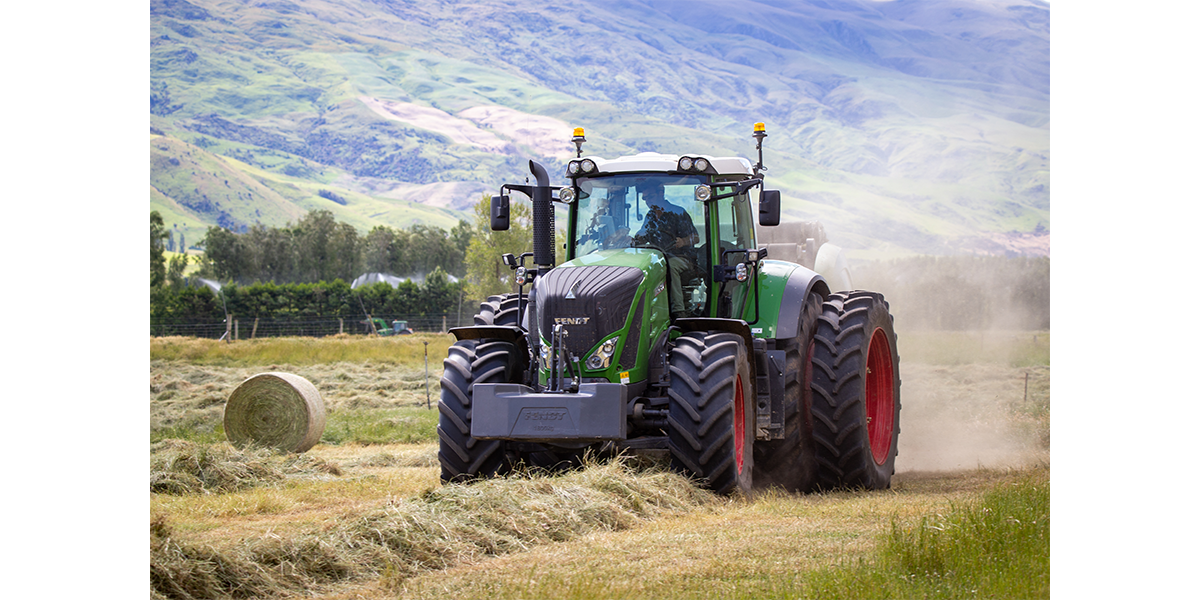
- Applications: From farming to forestry, there are many uses for an automatic oiling system, including harvesting and planting equipment, fertilizing machinery, concrete pumps, forestry equipment, and more.
Differences Between Hydraulic vs Pneumatic Lubrication Systems
Hydraulic and pneumatic lubrication systems share the same purpose: to reduce time spent maintaining industrial equipment, increase productivity, and the life of capital equipment. What differs is what powers them throughout the process.
- Medium: Hydraulics use oil to power movement, which also provides lubrication. Pneumatic systems run using compressed air, which means some components need additional lubrication.
- Force and Power: Hydraulic systems give off more force and power, which makes them more suited for high-strength applications, like lifting heavy industrial equipment. Pneumatic systems are great for quick, low-force movements, like in food conveyor belt systems.
- Precision: Hydraulic systems are known for their high efficiency and control, due to the smooth, consistent movement provided by the oil. Pneumatic systems can be less precise since the compression of air can make movements less steady.
- Speed: Pneumatic systems are much faster than hydraulic, making them ideal for applications where speed and frequency are more important than precision.
- System Design: Hydraulic systems are more complex, requiring more maintenance compared to pneumatic lubrication systems, which have fewer components.
- Cost: Pneumatic systems are generally cheaper to purchase, install, and maintain to the simplicity of the design. Over time, hydraulic systems can lead to cost savings thanks to their ability to handle heavy loads and deliver precise.
- Environmental Safety: Pneumatic systems are safer in many aspects because they use air rather than oil. They pose no contamination risk if a leak were to occur, making them suitable for applications that require uncontaminated environments.
Maximize Equipment Performance with Automatic Lubrication
Investing in an automatic oiler for your machinery -whether pneumatic or hydraulic- is a smart decision for your operations. These systems are designed to deliver the perfect amount of lubrication at the right time, ensuring optimal equipment performance and function.
By consistently applying oil to gears and sprockets, an automatic lubrication system helps to minimize the possibility of metal-to-metal contact, while also cooling the equipment's joints. This not only extends the life of your machinery, but also eliminates downtime, saving you money on chain replacement and increasing resale value.
Get ahead with your automatic lubrication system. Learn how to properly prime your system before startup.