

Working in oil and gas environments involves significant risk, adding a level of responsibility to ensure all equipment is properly made and installed. Because these explosive atmospheres pose serious safety hazards, strict industry regulations must be followed to protect workers and meet inspection standards.
Lubrication systems are a key component of ensuring safety in these high-risk environments. They reduce friction, cool components, and prevent catastrophic failures under tough conditions. Lubricants themselves can often be combustible, making the proper design and manufacturing of these systems even more critical.
Manufacturers of these lubrication systems must comply with regulations established by the National Fire Protection Association (NFPA) to certify that their designs and operations are safe and compliant.
In this article, we’ll cover specific NFPA standards and codes for lubrication systems, how compliance reduces workplace risk, and a checklist for selecting a manufacturing partner.
Why Petrochemical Industry Lubricants Matter in Oil and Gas Facilities
Lubrication systems play a critical role in protecting rotating equipment with necessary cooling and preventing metal-to-metal contact. Common equipment requiring lubrication includes:
- pumps
- compressors
- turbines
- conveyors
- hydraulic systems
Improper lubrication can lead to serious safety and operational hazards in oil and gas facilities. Regular inspections and proactive maintenance, as well as knowing troubleshooting best practices, are essential for identifying system issues before they lead to equipment failure or safety concerns.
The table below highlights some of the most common safety risks associated with inadequate lubrication practices and how they can impact equipment, workers, and facility operations.
Industry Standards that Influence Lubrication System Design
compliance codes designed to maintain a safe working environment. These standards require features such as explosion-proof components, sealed reservoirs with leak-prevention measures, remote monitoring capabilities, corrosion-resistant materials, and accessible maintenance design.
Standard codes for lubrication systems include:
- NFPA 30 - Flammable and Combustible Liquids Code
- NFPA 70 (NEC) - Hazardous Location Electrical Requirements
- NFPA 497 - Classification of Flammable Gases and Vapors
- NFPA 77 - Recommended Practice on Static Electricity
NFPA 30 - Flammable and Combustible Liquids Code
The NFPA 30 code outlines safety requirements for storing and handling flammable oils and lubricants. This code focuses on:
- Proper storage and handling of lubricants and oils
- Preventing leaks, spills, and fluid containment issues
- Fire safety measures around lubricant storage and delivery systems to reduce fire risk
NFPA 70 (NEC) - Hazardous Location Electrical Requirements
The NFPA 70 (NEC) code sets safety standards for electrical equipment used in dangerous oil and gas environments where flammable gases or vapors are present. This code covers:
- Safety requirements for hazardous areas in oil and gas facilities
- Use of explosion-proof electrical equipment to prevent sparks or ignition
- Safe installation and routing of lubrication system controls and monitoring equipment
NFPA 497 - Classification of Flammable Gases and Vapors
The NFPA 497 code helps facilities identify areas where flammable gases or vapors could be present. This code helps guide:
- How hazardous areas within a facility are identified and classified
- Determining the level of hazardousness in that space.
- Where lubrication systems should be installed and what type of protective enclosures they require
- Safety measures that reduce the risk of fires or explosions through proper equipment placement and area classification
NFPA 77 - Recommended Practice on Static Electricity
The NFPA 77 code offers guidance on reducing the risk of fires and explosions caused by static electricity. In lubrication systems, this code focuses on:
- Preventing static buildup that could create sparks
- Proper grounding and bonding of equipment to safely discharge electricity
- Reducing ignition risks during lubricant transfer, filling, and dispensing operations
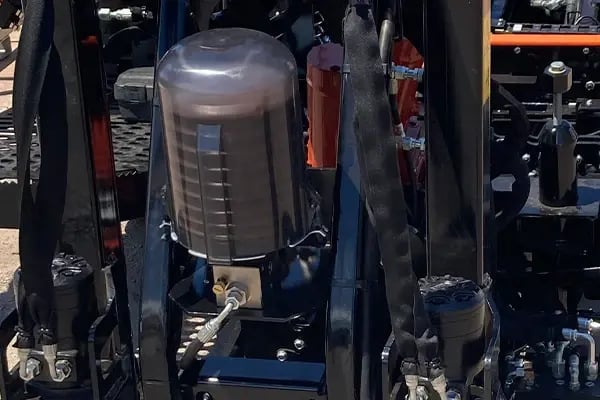 Hydraulic grease pump on a drill rig.
How Compliance Improves Reliability and Reduces Risk
Following safety compliance standards is a proactive way to improve both operational performance and worker safety. A safety-focused culture helps identify potential hazards, maintain equipment integrity, and enhance overall operations. The result is greater reliability, safer working environments, reduced downtime, and stronger financial performance.
By adhering to compliance codes, facilities will benefit from:
- Reduced fire and explosion hazards
- Improved worker safety
- Lower liability exposure
- Easier inspections and regulatory compliance
- Reduced downtime and maintenance costs
- Longer life for critical petroleum industry equipment
Common Industries that Use Automatic Lubrication
Automatic lubrication systems help improve equipment reliability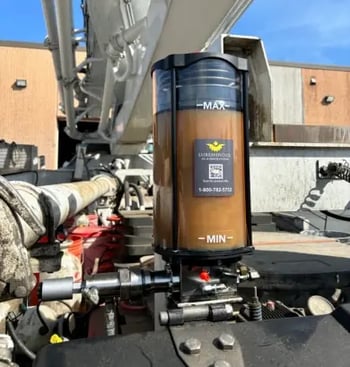 across a wide range of demanding applications. In harsh operating conditions, they can add precise amounts of grease or oil directly to critical machine parts. This consistent lubrication helps prevent premature wear, reduce downtime, and lower overall lubricant and maintenance costs.
Common industries that use automatic lubrication systems include:
- Concrete
- Conveyors
- Forestry
- Marine Navy
- Agricultural
Checklist: Choosing a Lubrication Partner for Hazardous Environments
Determining the best manufacturer for your lubrication system is vital for maintaining equipment reliability and ensuring workforce safety. When evaluating a partner, consider the following:
- Industry Experience: Find a manufacturer with proven industry experience in oil and gas applications. They should understand the challenges of harsh operating environments and provide solutions designed for those conditions.
- Knowledge of NFPA Standards: Your partner should have a strong understanding of NFPA regulations and the specific compliance requirements for hazardous locations and petroleum facilities.
- Customization Capabilities: Choose a manufacturer that can customize equipment for your specific needs while still maintaining industry standards.
- Documentation and Ongoing Support: A reliable partner should also be able to provide proper documentation for safety compliance, support inspections and audits, and provide ongoing maintenance for the equipment for long-term system performance.
Prioritizing Safety in Oil and Gas Lubrication Systems
Lubrication systems play a crucial role in both equipment performance and workplace safety within oil and gas facilities. To ensure reliable operation in hazardous environments, NFPA compliance should be incorporated from the earliest design stages through installation and ongoing maintenance.
Choosing a manufacturer with proven expertise in safety compliance and hazardous environments is essential for protecting workers, maintaining equipment, and supporting long-term operational reliability.
Reduce compliance risk and improve equipment reliability with lubrication systems engineered for hazardous locations. Explore LubeMinder’s lubrication systems.
