

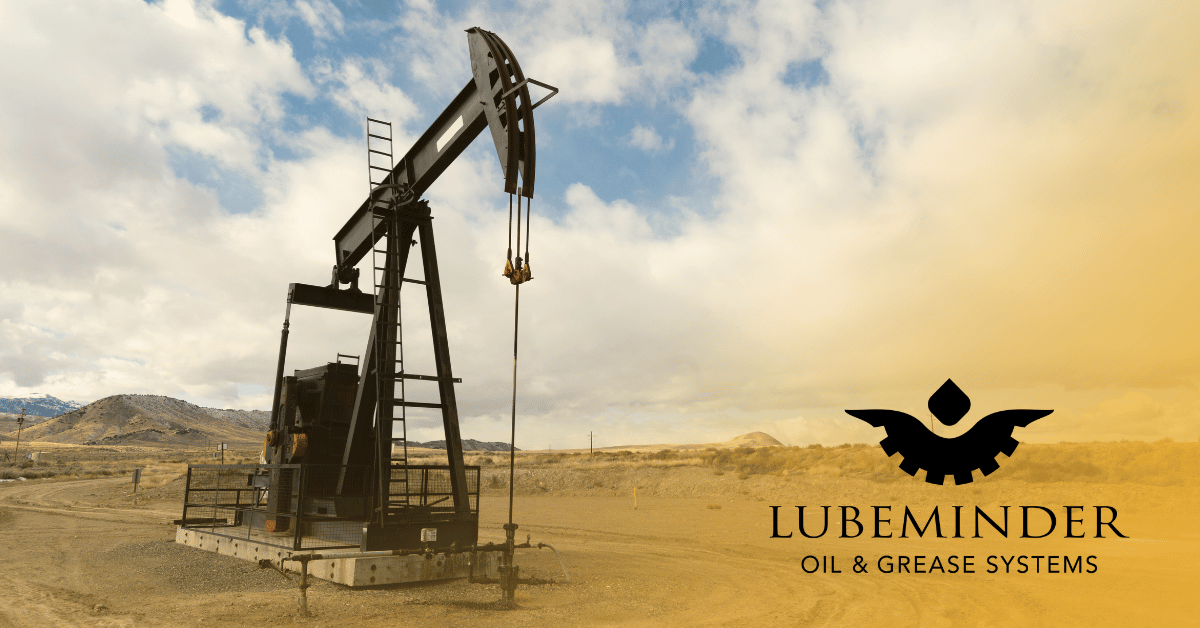
In oil and gas operations, downtime doesn't wait for convenient timing. A single interruption on a pump jack can quickly turn into lost production, service calls, and repair schedules that disrupt entire routes.
Stuffing box issues are a common cause of downtime in the oilfield. While normal wear is expected over time, many breakdowns happen because of something preventable: inconsistent lubrication.
For service teams and distributors managing multiple wells (sometimes across state lines), the challenge usually isn't understanding what needs to be done, it's making sure everything is done consistently at each location.
Why Pump Jack Stuffing Boxes Fail Over Time
Stuffing boxes are constantly working under friction. Stuffing box packing material is designed to seal around the polished rod while allowing movement; with the pump jack running, that sealing surface is under continuous stress for long stretches.
Over time, several factors contribute to wear:
- Constant friction: During pump jack operation, the packing and polished rod are constantly rubbing together, creating continuous wear on sealing components.
- Heat buildup: The movement of stuffing box components generates heat over time, accelerating wear on the packing and polished rod.
- Contaminants: When contaminants enter the sealing area, they can increase abrasion, damage sealing surfaces, and shorten packing life.
- Packing material breakdown: Over time, packing material compresses, reducing its ability to maintain a proper seal around the polishing rod.
- Inconsistent lubrication film: When components don't have consistent film of grease to protect them, friction increases and they wear down more quickly.
For distributors and service providers, helping customers prevent failures helps build trust and strengthens long-term relationships. Still, one of the most overlooked parts of a preventative maintenance plan is maintaining consistent lubrication of the stuffing box.

How Inconsistent Lubrication Causes Downtime
Lubrication is what keeps friction under control inside of a stuffing box. To prevent a stalled pumpjack, it's best to ensure stuffing box components are lubricated at regular intervals. When grease intervals are missed or uneven, the lubrication film breaks down.
When a grease interval is missed or delayed, you can expect the following chain of events:
- There isn't enough lubrication film on components that causes increased friction on the packing.
- The increased friction causes heat buildup, which leads to faster packing wear.
- When the packing is worn down enough, the stuffing box begins leaking.
- Once the leaking begins, a service call is made, and the pump jack needs to be shut down so the stuffing box can be properly serviced.
On its own, one missed interval usually isn't a problem; but across a fleet of pump jacks, small inconsistencies turn into repeat failures that are hard to predict, and nearly impossible to schedule around.
The Hidden Costs of Repeat Failures
The cost of stuffing box issues isn't limited to parts and labor. Most of the impact comes from everything surrounding the repair. These are costs that add up over time, especially in service teams managing large numbers of wells.
Lost production time
When a pump jack isn't running, the oil wells aren't generating revenue. Any time the stuffing box needs maintenance - even for a minor issue - the jack is shut down until the stuffing box is fixed. This results in expensive production loss.
Technician time and travel
Service routes in remote areas mean time spent driving is often longer than the repair time.
Repeat visits
Inconsistent lubrication doesn't address the root problem, leading to repeat failures and consequently, visits.
Customer pressure
When operators see recurring issues, it impacts confidence in the service provider's reliability.
Why Manual Greasing Doesn't Stay Consistent at Scale
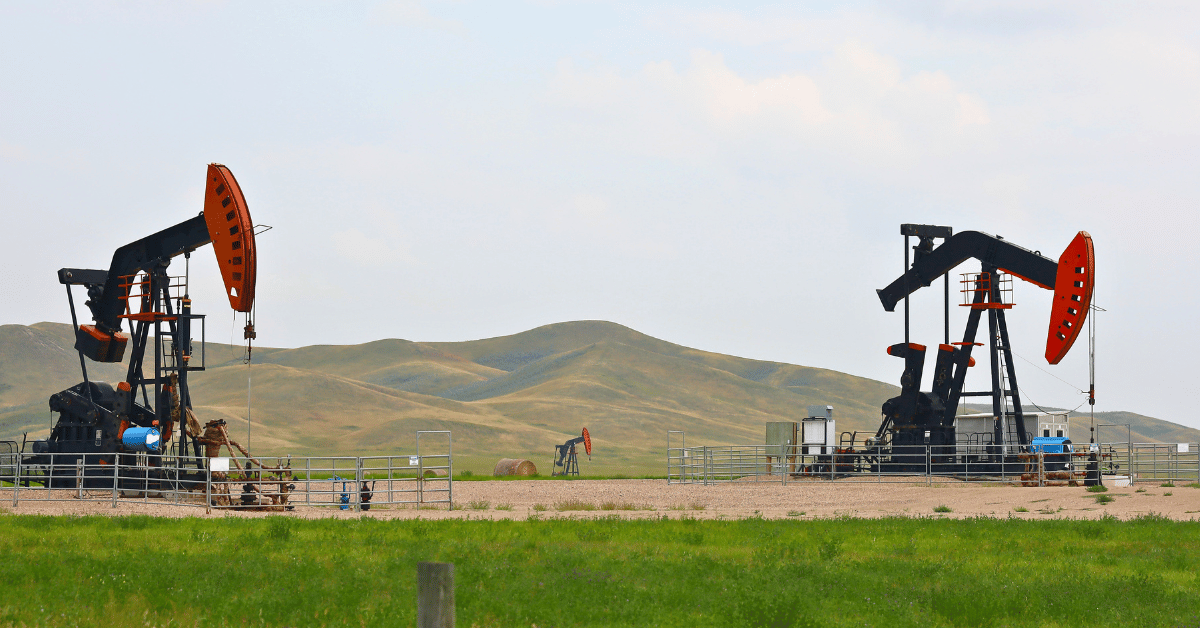
Manual lubrication works in controlled environments, but it becomes harder to manage when it's used across multiple oilfield operations. Service teams managing hundreds of pump jacks often face:
- Long travel distances between wells
- Weather delays and shifting priorities
- Emergency repairs taking precedence over routine greasing
- Different technicians applying different amounts of grease
- Hard-to-reach lubrication points slowing down service time
Even with good, proven processes in place, consistency is difficult to maintain at scale. When it comes to manual greasing, there are two issues that repeatedly show up in oilfield service environments:
Inconsistent lubrication intervals
Some wells are serviced on schedule, while others are delayed of because of higher-priority repairs, travel time, or changing field conditions. When lubrication intervals become inconsistent, the protective grease film begins to break down, allowing friction and wear to increase.
Inconsistent grease application
The amount of grease applied can vary significantly depending on the technician and the conditions. Some stuffing boxes receive too little grease, while others are over-lubricated. More grease doesn't necessarily provide better protection, what matters most is maintaining a consistent lubrication film. Applying grease in irregular amounts can lead to uneven distribution, causing excess grease to accumulate around the seal.
Over time, these inconsistencies cause identical equipment to perform differently, making maintenance schedules less predictable and increasing the likelihood of repeat service calls.
How Automatic Lubrication Improves Pump Jack Reliability
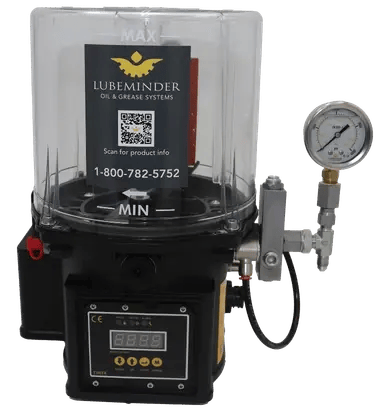
Automatic lubrication systems remove the variability of manual greasing by delivering lubricant at programmed intervals while equipment is running. This helps maintain a consistent grease film inside the stuffing box, reducing friction, minimizing wear, and improving packing life.
Key advantages include:
- Consistent lubrication intervals across all wells
- Reduced variation in grease application
- Fewer missed service cycles
- Less buildup from over-application
- More stable packing performance over time
For service teams, this also means fewer routine greasing stops and more time focused on higher-value repairs. Automatic lubrication is especially beneficial for remote wells, large pump jack fleets, high well counts per technician, and operations looking to reduce repeat service visits.
Consistent lubrication is one of the simplest ways to strengthen a preventative maintenance program. When grease is applied at regular, controlled intervals, wear becomes more predictable, service schedules become easier to manage, and avoidable downtime becomes less frequent.
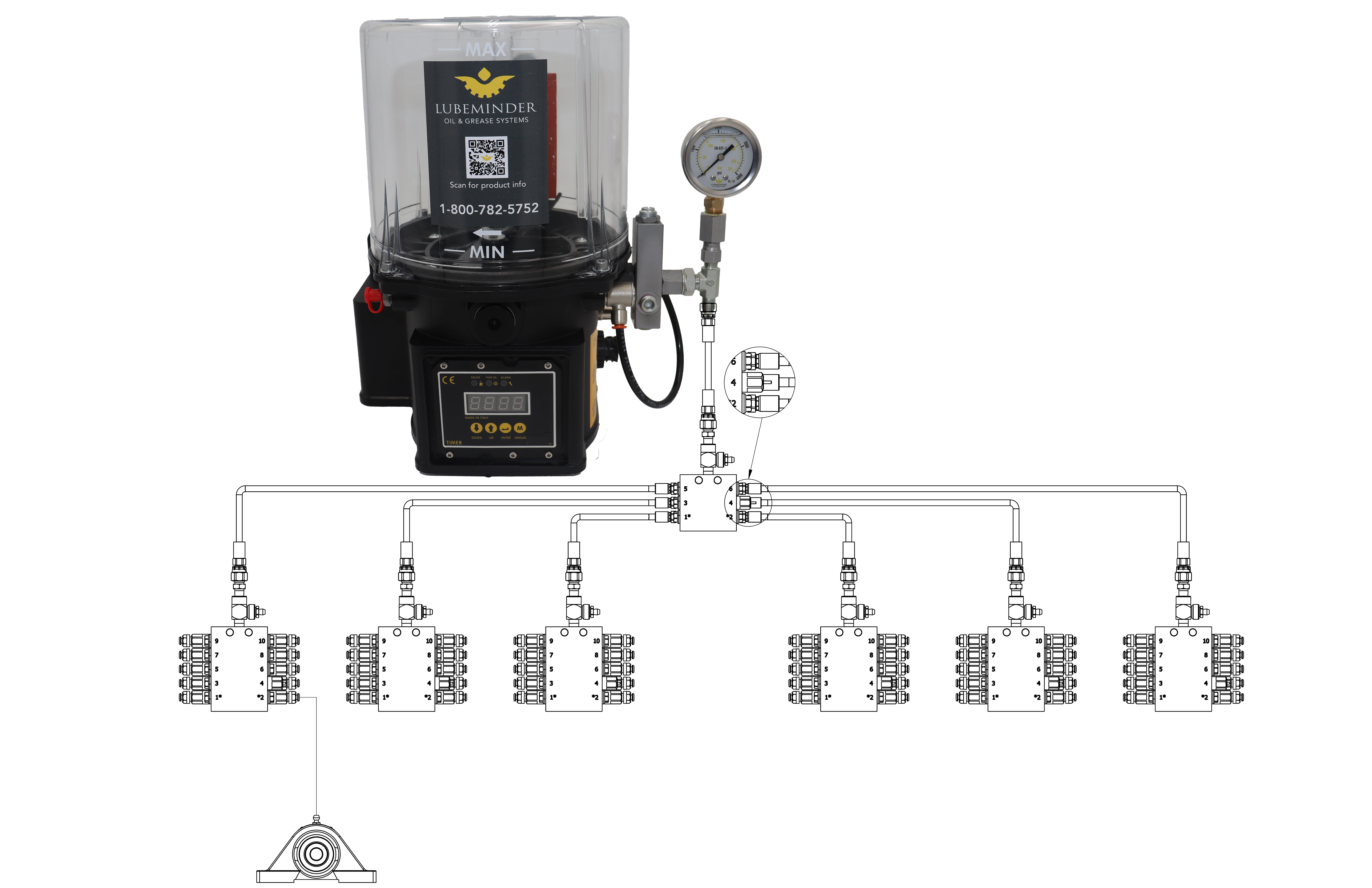
LubeMinder electric grease pump systems are designed to help distributors and service providers maintain consistency in demanding oilfield environments. By automatically delivering grease directly to stuffing box lubrication points, they reduce the variability that leads to premature wear and repeat service calls, helping improve equipment reliability while minimizing unnecessary field visits.
Stuffing box failures don't usually happen suddenly. They develop over time through small inconsistencies in lubrication, service timing, and grease application. By improving consistency across those variables, service teams can reduce repeat failures, extend packing life, and minimize avoidable downtime across pump jack operations.
If you're ready to reduce maintenance costs and improve lubrication consistency across your pump jack fleet, talk to the LubeMinder team about an automatic lubrication solution that fits your operation.

