
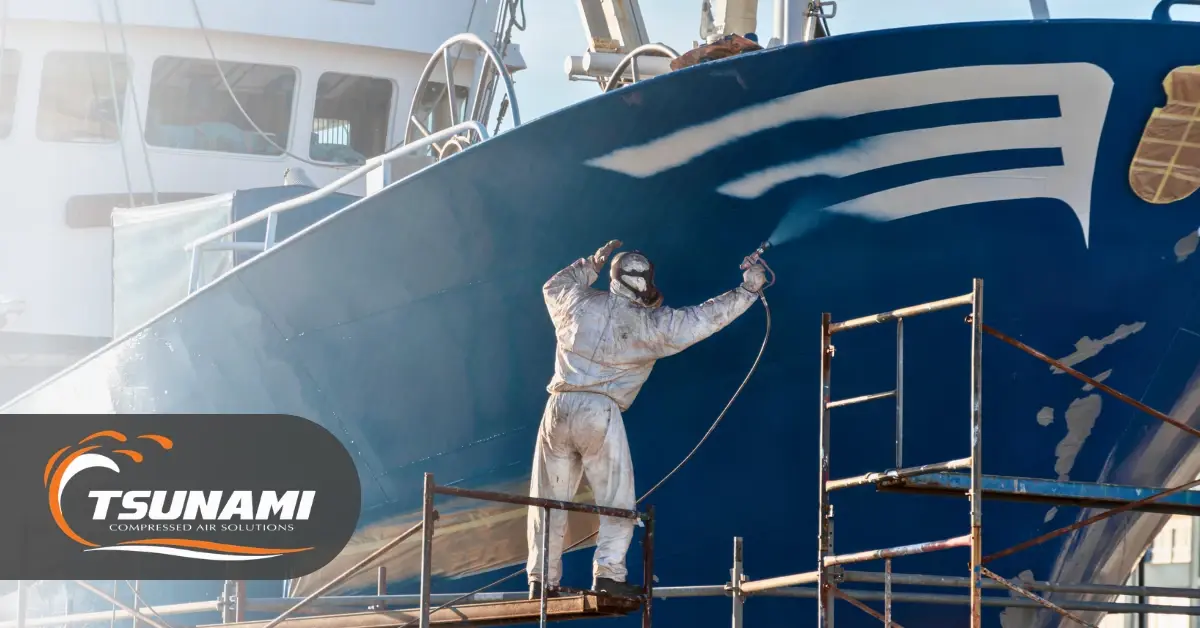
Marine life takes all the challenges of design and amplifies them by a factor of 10. Proper paint application is the easiest way to protect a vessel from the long-term effects of marine and environmental exposure.
Air quality, particularly when using compressed air systems, plays a major role in paint application performance. Clean, dry air ensures better consistency, adhesion, and overall finish quality.
Looking to leave a lasting impression of your quality of work? Read below to gain a better understanding of marine paint application, how to achieve the best results, and tips on choosing the right air dryer.
The Basic Challenges of Marine Paint Application
Marine paint application isn’t as simple as just applying a pretty coat. The process faces harsh conditions such as saltwater, sun exposure, and biofouling.
The entire process has to be manipulated very carefully from start to finish, requiring strict environmental controls on temperature and air quality. Steps involved in professional boat painting include prepping the surface, priming with a proper base, and then applying the topcoat to provide necessary protection.
The entire process won’t mean anything if you don’t have the proper conditions and equipment while applying the paint. The durability and look of the final paint application can be heavily impacted by the following factors:
- Temperature and humidity: If it’s too hot, cold, or humid, the paint may not dry properly or stick well, causing premature failure
- Equipment quality: Using the right spray equipment and prepping tools helps avoid streaks, bubbles, or an uneven finish
- Storage and moisture control: Paint and materials need to be stored properly to avoid contamination
The Role of Compressed Air in Professional Boat Painting
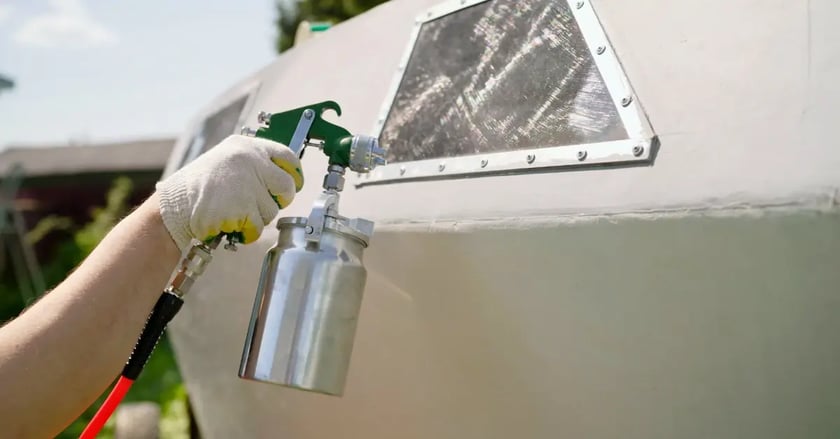
Compressed air plays a huge role in painting spray systems. It helps turn thick paint into a fine mist, making application much smoother and more even. Compressed air powers the spray gun, regulating the flow of paint, while also helping it dry evenly and cure properly.
The marine environment already presents challenges on its own. While compressed air is essential for proper paint application, it can also introduce additional contaminants, impacting the finish quality and long-term durability of the paint.
- Moisture: When air is compressed, water can form inside the system. This moisture can cause rust in pipes and get into the paint, ruining the finish.
- Oil: Small amounts of lubrication from the compressor can mix into the air, leaving a thin film on surfaces that prevents paint from adhering properly.
- Dirt and dust: Tiny particles from the air or inside the pipes can get into the paint, leading to rough or damaged finishes.
Contaminated air in marine paint systems can lead to a range of serious issues that affect both the finish and durability of the final coating. These problems often show up as visible coating defects such as fisheyes, orange peel, paint blistering, and adhesion failures.
Improving Marine Paint Results With Air Dryers and Filtration Systems
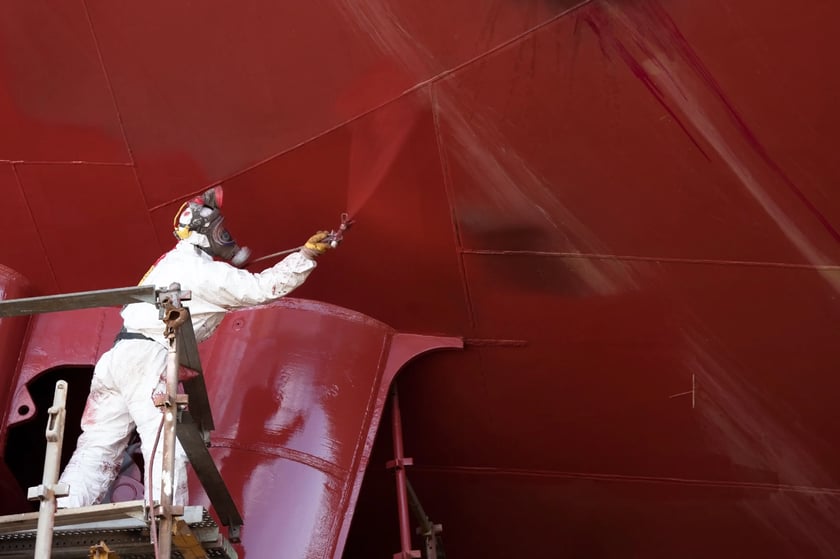
Using air treatment systems sets your paint application up for success. It ensures consistent spray patterns, reduced paint defects, improved coating durability, and higher-quality finishes.
To achieve this, several types of equipment are often used together, each serving a specific purpose in removing contaminants and moisture from the air supply.
Common air treatment solutions include:
- Air dryers: Designed to remove moisture from compressed air, compressed air dryers prevent issues like blistering, poor adhesion, and uneven curing.
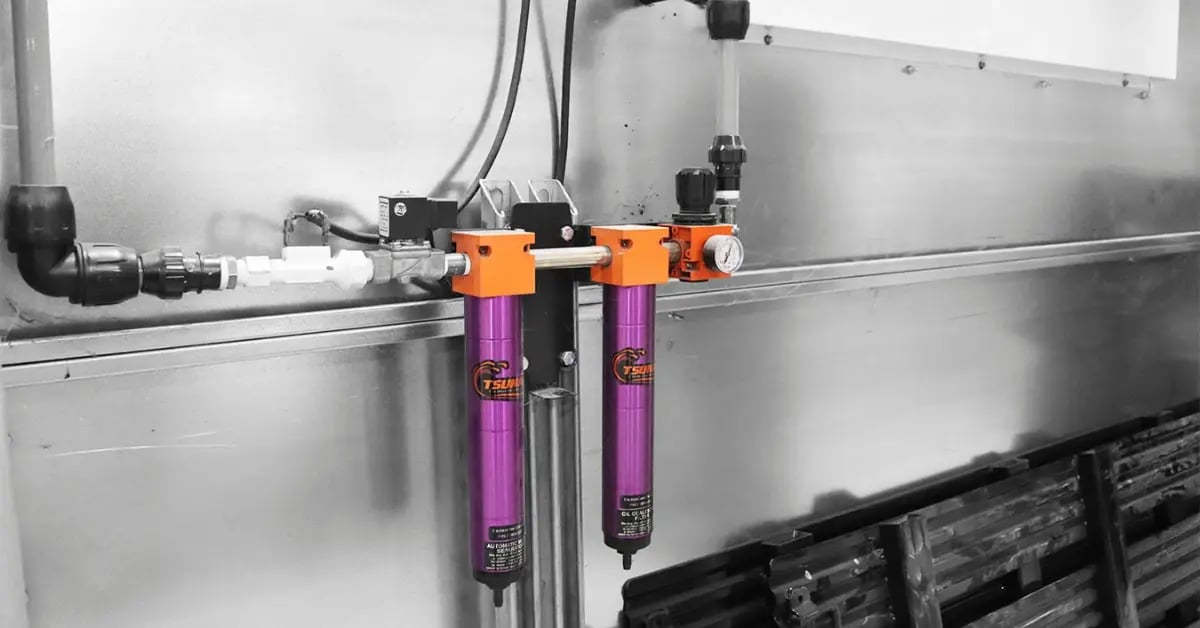
- Filtration systems and filter packages: Air compressor filters capture oil, dirt, and other contaminants that can cause surface imperfections.
- Moisture separators: Remove bulk water before it reaches more sensitive equipment, improving overall system efficiency.
- Tank-mounted dryers: Air compressor dryers are integrated solutions that provide reliable, point-of-use drying for consistent air quality in painting applications.
Using the right combination of filters and air dryers for painting will significantly improve finish quality, reduce rework, and extend the lifespan of protective coatings for marine products.
Best Practices for Air Compressors and Dryers in Marine Painting
For best results in marine paint applications, you need clean, dry air, as well as the right setup. Using the right filters and dryers helps remove water, oil, and dirt from the air while ensuring your system has the power it needs to run smoothly and deliver a high-quality paint finish.
Keep these factors in mind when preparing your paint system:
- Maintain clean compressed air systems: Use filters and dryers to remove moisture, oil, and debris so they don’t ruin the paint job.
- Drain water regularly: Water builds up in air tanks, so drain them daily. You can also implement automatic drains into your system.
- Use the correct pipes: Pipes from materials like aluminum or copper won’t rust, helping to keep contaminants out of the air.
- Control humidity and temperature: Too much moisture in the air can cause paint defects. Keep conditions stable and monitor air quality.
- Follow manufacturer recommendations: Choose the right equipment, such as refrigerated or desiccant dryers, ensure your system is properly set up to minimize pressure loss and moisture, and size your compressor correctly so it can handle the demand efficiently.
Air Treatment Matters in Marine Paint Systems
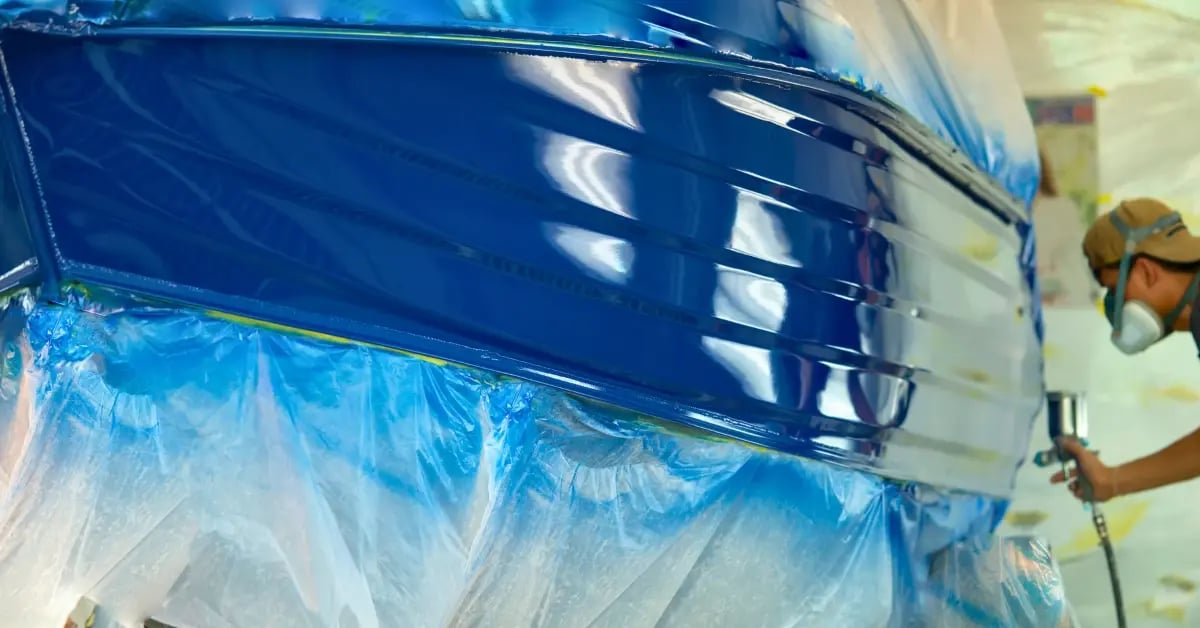
Clean, dry air is an essential component of professional boat painting. Without it, your results will be unreliable, and the whole paint application will be a waste of time.
Air treatment systems help professionals achieve consistent, high-quality boat finishes that will last a long time.
Watch this video to see how air dryers, filters, and moisture separators work together to improve air quality and deliver better paint results.
