Selecting the right fabric for a thermal application isn't a quick process. Behind every high-performing cover, sleeve, or insulation wrap are specific material properties that determine how well it holds heat, resists the elements, or protects what's underneath.
In this article, we'll look at the various test methos that help determine the thermal properties of fabrics, and what to look for in specs when searching for the best product for your application:
- Thermal Conductivity
- R-Value Flat Insulation
- R-Value Tubular Insulation
- UV Resistance for Fabrics
- Cold Crack in Fabrics
Thermal Conductivity
Thermal Conductivity in fabrics refers to a material's ability to conduct heat, essentially how easily heat can flow through it.
Fabrics with higher thermal conductivity feel cooler to the touch because they transfer heat away. On the contrary, fabrics with lower thermal conductivity feel warmer because they resist heat transfer.
To measure thermal conductivity, a sample is heated on one side, and the test records how fast the heat moves through to the other. Tools like the C-Therm MTPS (Modified Transient Plane Source) sensor or a guarded hot plate are used to capture this heat flow.
The results are given in Watts per meter-Kelvin (W/m*K), in other words: “How much heat passes through one meter of material when there is a 1-degree temperature difference?”
Fabrics: Low and High Thermal Conductivity
Fabrics with a lower thermal conductivity value means the fabric “holds the heat in better,” which is desirable characteristic for heating and insulating covers. This can benefit users by trapping heat efficiently and in some cases reduce power consumption.
Fabrics with a high thermal conductivity value allow heat to move through the fabric quickly. This means the textile is good at transferring or spreading heat. These fabrics can help to even out temperature for hot spots, move heat efficiently into the area being warmed before it is retained and can improve energy (heat) transfer by reducing warm up time.
In some cases, high conductive fabrics are used in the outer shell to help the surface “shed” excess heat or stay uniform. This is useful when the application relies on surface temperature balance or for faster cooldown.
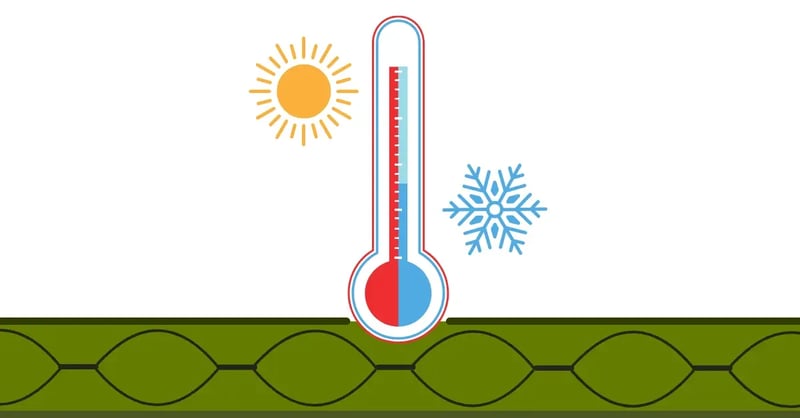
Why R-Value Matters in Thermal Insulation
The R-Value represents the relationship between a material's thickness and its thermal conductivity, showing how well it resists heat flow. In simple terms, it measures how effectively a fabric or layered composite insulates against heat transfer.
To put it simply:
- Higher R-Value: Better insulation
- Lower R-Value: Heat passes through easily
When measuring the R-Value of an assembly (multiple layers), it is possible to add the R-Values of the materials.
 Measuring R-Value for Cylindrical Surfaces
For cylindrical surfaces, such as pipes and hoses, the calculation of the R-Value differs from the previous method. Since the inner-surface has a smaller total area than the outer-surface, a radial R-Value calculation must be made.
In the case of a cylindrical surface, you calculate the R-Value using the following data points:
- Ln= Natural Log Function
- R1: Inner radius of insulation (meters)
- R2: Outer radius of insulation (meters)
- K: Thermal conductivity value of insulation (W/m*K)
UV Resistance for Fabrics
UV resistance refers to a fabric's ability to withstand damage caused by ultraviolet light. Prolonged UV exposure can lead to fading, cracking, and fiber weakening. Fabrics with a strong UV resistance retain their color, strength, and flexibility even after extended periods in sunlight.
Fabrics are tested for UV protection, especially when designed for outdoor or high-sun environments. These tests help confirm the fabric's long-term performance, color stability, and durability under different exposure conditions ensuring it maintains both function and appearance over time.
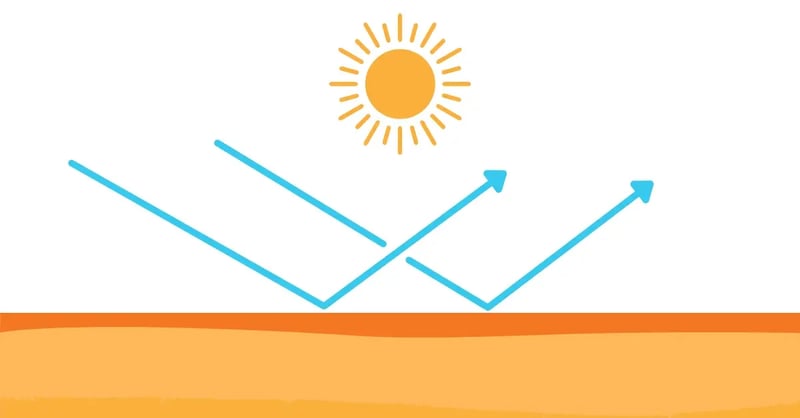
How is UV-Resistance in Fabrics Tested?
UV (Ultraviolet) resistance in fabrics is commonly evaluated using accelerated weathering tests such as ASTM G154. This test replicates months or even years of sunlight exposure within just a few days or weeks. The results measure how much the fabric's color changes over time, typically using the AATCC Gray Scale for Color Change to compare against total exposure hours.
Why Does UV Resistance Matter in Fabrics?
A high UV resistance means longer life and a lasting appearance in products. Products made with UV resistant fabrics offer:
- Extended product life: The material maintains its strength after long exposure to sunlight.
- Color retention: Colors stay vibrant without fading or discoloration.
- Protection for inner components: Ideal for shielding sensitive components from heat and UV related wear.
What is Cold Crack Resistance?
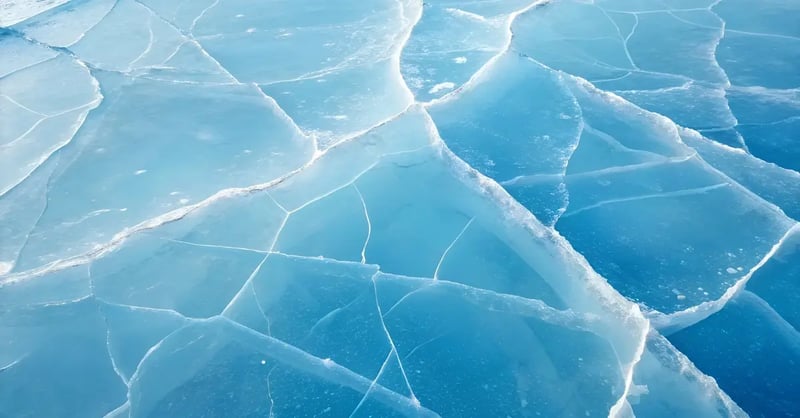
Cold crack resistance describes a fabric's ability to withstand low temperatures without becoming brittle. When fabrics are exposed to extreme low temperatures, the outer coating can stiffen or lose its flexibility.
Cold crack is the lowest temperature the fabric can handle before it breaks down. Cold crack is tested by bending or folding fabric at certain lower temperatures to find the point where the surface or material cracks, typically following standards like ASTM D2136, "Low Temperature Bend Test."
The results report the lowest temperature at which the fabric can be exposed without significant damage.
e.g., If a material has a Cold Crack of -40°C, the lowest temperature the fabric can withstand without visible damage is -40°C.
Benefits of Cold Crack Resistant Materials
For customers using products outdoors or in refrigerated conditions, cold crack resistance equals durability and reliability in harsh environments/weather.
Products made with cold crack resistant material provide:
- Longer product life: Won't crack or peel during winter or cold storage
- Consistent performance: Stays flexible and easy to handle
Cold Crack = Freeze Resistance
Lower Number = Better Performance
What is Emittance in Thermal Properties?
Emittance is a measure of how efficiently a surface gives off (radiates) the heat energy that absorbs. This is expressed as a number between 0 and 1:
0 = the surface does not emit any radiant heat; this is also known as a "perfect reflector" like a mirror.
1 = the surface emits all the heat it absorbs; this is also known as a "perfect radiator (emitter)" like a matte black surface.
How to Find the Material Emittance Value
To find a material emittance value, testing labs often reference ASTM E408, "Standard Test Methods for Total Normal Emittance of Surfaces Using Inspection-Meter Techniques."
In this test, the sample is heated to a controlled temperature, and the instrument measures the amount of radiant energy emitted from its surface. The readings are then compared to reference standards with known emittance values. The final emittance is calculated as the ratio of the sample's emitted energy to that of a blackbody (an idealized physical body that absorbs all electromagnetic radiation) at the same temperature.
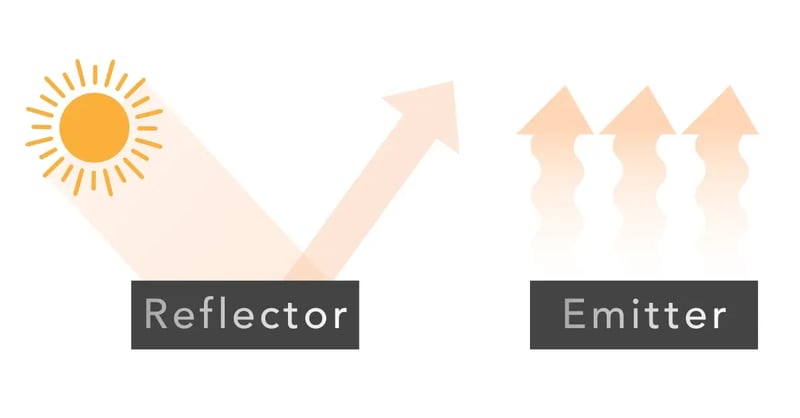 Materials with high emittance values are ideal for applications that require even heat distribution, helping to reduce hot spots and support consistent temperature regulation across the surface. A high emittance material doesn't just reflect heat; it helps manage it.
Instead of reflecting the heat away, the material will maintain or distribute the heat.
High Emittance = Better Heat Distribution
Low Heat Emittance = Better Heat Retention or Reflection
Understanding Thermal Properties and Next Steps
Understanding the thermal properties of fabrics helps choose materials that will perform reliably in real-world conditions. Whether you need a fabric that traps heat, distributes it evenly, resists harsh sunlight, or stays flexible in extreme cold, these tests provide the data that separates a good product from a great one. By reviewing conductivity, R-Value, UV Resistance, cold-crack ratings, and emittance, you can select the fabric that best matches your environment and performance goals.
If you want to take a closer look at how our fabrics perform in real-world heat and insulation scenarios, check out our thermal performance cut sheet. It breaks down the materials we use most often, their ratings, and how they stand up in demanding environments.
Let's chat so we can make a thermal solution perfectly fit for you.
