
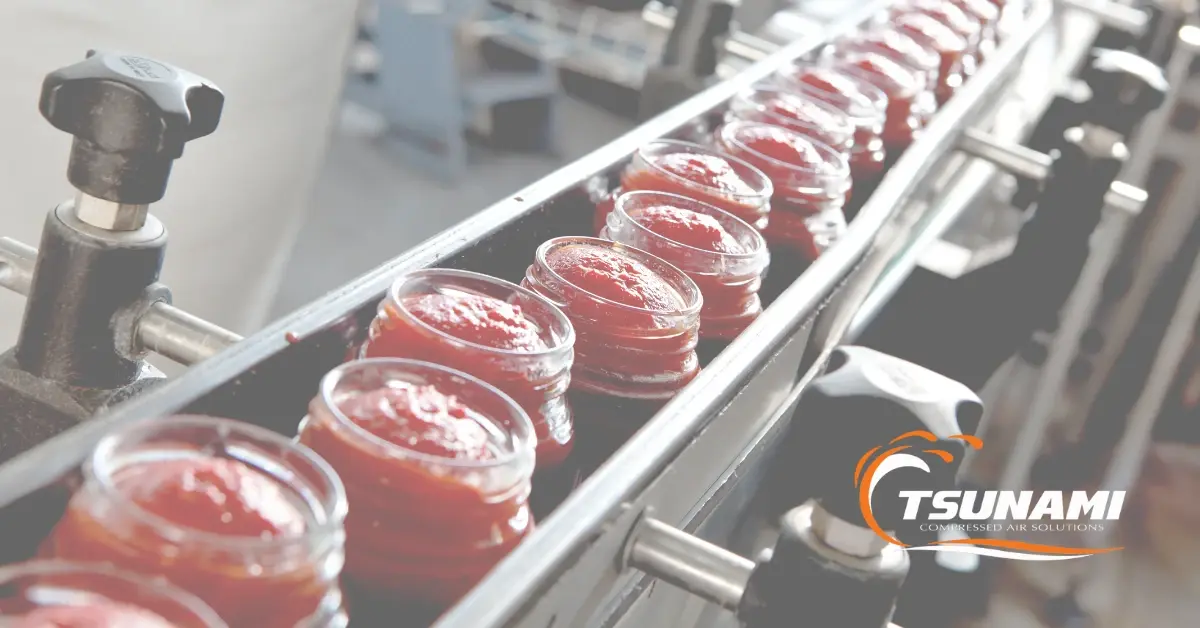
Compressed air touches more food and beverage processes than people realize. From a can of soda to your favorite brand of pretzels, clean compressed air supports efficiency and product quality throughout the production line.
However, when compressed air in a food processing plant contains contaminants, it becomes a very expensive (and potentially harmful) ingredient no one asked for. Poor air quality threatens both product integrity and regulatory compliance. Failing to meet required air-quality standards can shut down production and jeopardize your operation.
In this article, we will be covering what harmful contaminants can spoil the food and beverage process, air regulations, air purity testing, and which compressed air tools keep facilities compliant.
What Defines Air Purity?
Air purity is defined as how free your compressed air is of moisture, oil, particles, and microbial risks. For most compressed air applications, the goal is to have the smallest number of contaminants based on air quality standards.
ISO 8573.1 is the most common air quality standard that should be followed in a majority of facilities and applications. It requires a specified number of particulates are filtered out of a system to ensure air quality is safe. Although the FDA doesn't mandate specific air quality, it's important to have quality air to keep operations open, as contaminated air can cause a facility to be immediately shut down.
Compressed air can be contaminated by a variety of factors that are difficult to monitor all at once without proper filtration. The most common are:
- Heat
- Moisture
- Oil carryover
- Rust
If any of these contaminants were to end up on a consumable product, the dangers would be exponential.

Why Air Purity is Important in ANY Industry
Compressed air is a critical energy source in industrial operations, playing an essential role wherever it is utilized. Key benefits of compressed air in both facility environments and mobile applications include:
- Protecting equipment
- Improving product quality
- Reducing maintenance and downtime
- Keeping operations compliant and consistent
- Saving money long-term
Generally speaking, clean air = clean process = clean product.
Why It's Extra Important in the Food & Beverage Industry
In the food and beverage industry, if your air quality doesn’t meet required standards, you risk recalls, fines, and even forced shutdowns. With that in mind, it's important to note compressed air is used in a variety of production processes. The two main types of air contact are direct and indirect.
Direct contact is when the air touches the product directly, like when mixing, sorting, and filling. In direct contact applications, the chance for harmful microbes needs to be zero. Moist compressed air causes microbes to thrive - which is terrible for food safety.
Indirect contact is when compressed air is used in packaging, to operate equipment, or move products along surfaces. In the case of microbes, the moisture can cause corrosion, which creates particles in the equipment or processes, causing contamination.
Examples of food and beverage processes that require clean, dry air include:
- Breweries for bottling lines
- Bakeries blowing off excess flour
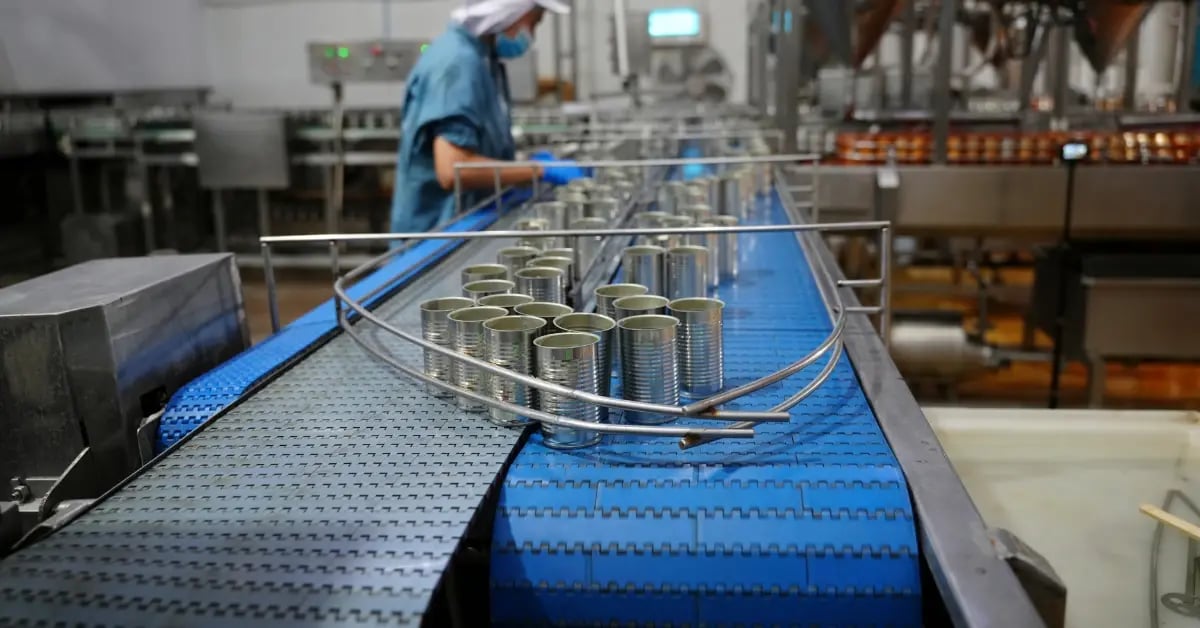
- Beverage facilities using air knives for drying cans
- Packaging lines that rely on clean blow-off air
- Meat processing machines
Following air quality standards for indirect and direct food contact is important for long-term success.
Common Air Contaminants in Food and Bev
Contaminants mean trouble and additional expenses in the food and beverage industry. These contaminants can be avoided by following air quality standards, requiring regular maintenance of systems, equipment, and components to ensure every piece of production is functioning properly. The four most common contaminants are:
- Moisture: causes mold, equipment and component corrosion, and microbial growth
- Oil aerosols: cause flavor issues, residue, spoilage, and FDA compliance violations
- Particles: from dust, pipe scale, and rust
- Microbial: microbes that can cause illness
How to Test Air Purity in Compressed Air
Testing air purity is vital to ensuring standards are consistently followed. There are three separate kinds of testing that can be conducted in an effort to catch air contaminants before they wreak havoc on operations:
- Water content testing
- Oil content testing and measuring
- Particle testing
We are going to break down what equipment is needed and what they measure. The best method will depend on your operational compressed air standards.
Water Content Testing
Although a variety of water testing exists for compressed air, dew point measurement is what's most recommended for the food and beverage industry due to ease of use. Dew point indicates the temperature at which moisture in compressed air will begin to condense, allowing operators to act before condensation reaches critical equipment or application lines.
Specialized sensors and hygrometers can measure dew point directly in the air stream, while portable meters allow for spot checks at various points in the system. Some facilities also use continuous monitoring systems to provide real-time alerts if air approaches unsafe moisture levels. These tools help ensure compressed air consistently meets the standards needed for safe food and beverage production.
Oil Content Testing and Measuring
Just like moisture, oil can pose a contamination risk in food and beverage production. The industry focuses on testing for total oil, which includes both vapor and liquid droplets to ensure air meets ISO 8573-1 purity standards. There are three kinds of tests that can be used:
1. Oil Vapor Testing is the most common and most accurate method for food-contact applications. Air is drawn through sorbent tubes (tubes filled with activated charcoal) that capture hydrocarbons (organic chemical compounds, like oil). These samples are then analyzed in a lab to measure oil concentration.
2. Oil aerosol testing is used to detect liquid oil carryover by pulling the air through a high-efficiency filter membrane that traps oil droplets. The membrane is weighed before and after to determine the oil levels in the compressed air; this helps operators catch equipment issues early and ensures oil droplets aren't contaminating product or packaging.
3. Total oil testing combines vapor and aerosol measurements into a single result, providing the most comprehensive assessment of compressed air purity. Many facilities use this method when ISO 85763-1 compliance needs to be documented.
For routine checks, facilities may use indicator pads or portable analyzers, but they aren't a substitute for ISO grade testing.
Particle Testing
For testing particulates, the two most common methods are laser particle counters and microscopic filter collection. This is how they work:
1. Laser particle counters are the preferred method for food and beverage applications. These devices use light-scattering sensors to measure the size and quantity of particles in real time. Because they detect extremely fine particles and directly align with ISO 8573-1 particle classes, they provide fast, accurate verification that compressed air meets food-contact requirements.
2. Microscopic filter collections draw a controlled volume of air through a membrane filter, which captures solid particles. The filter is the examined under a microscope to identify contaminants. This takes more time, but it's useful for troubleshooting or when facilities need visual confirmation of particle types (rust, metal, or dust).
Air Dryers and Filters for Food and Bev
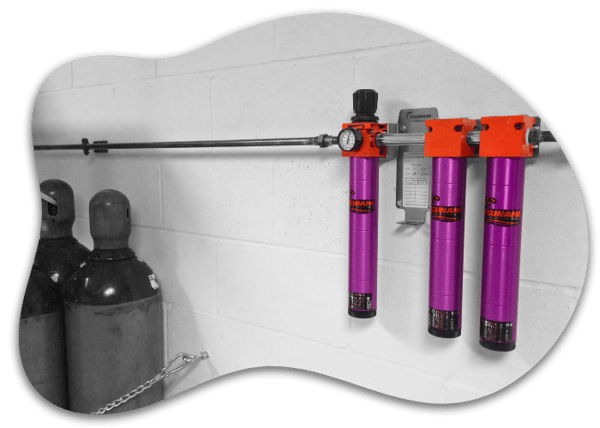
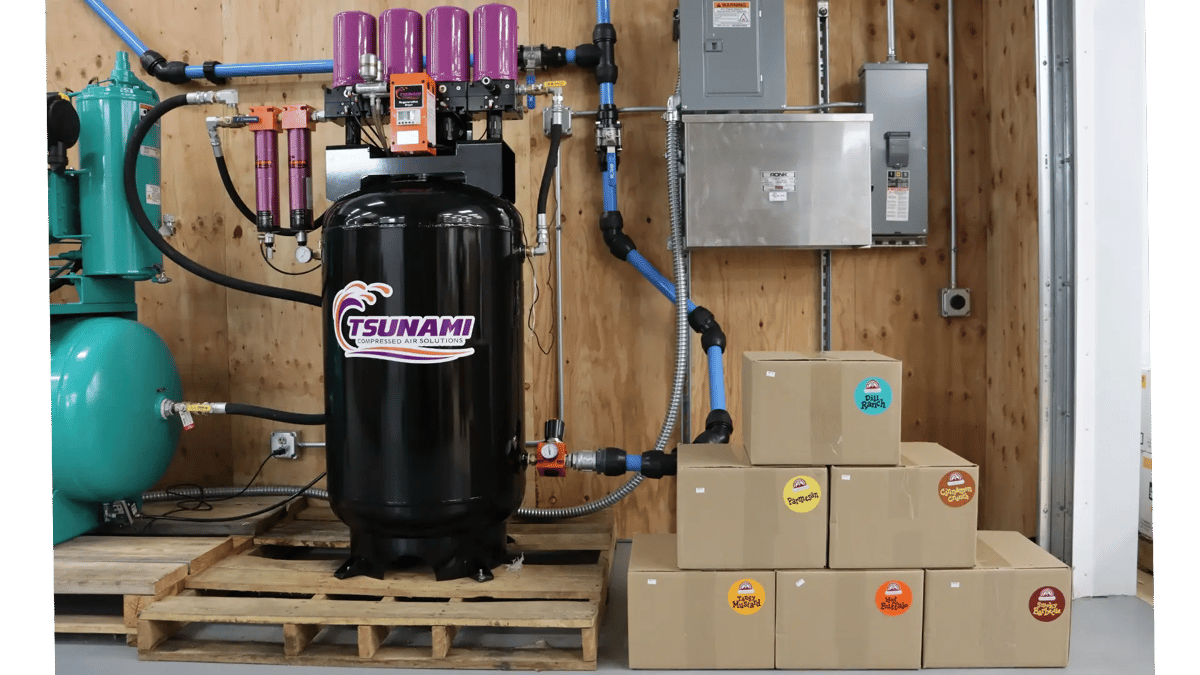
While testing verifies air purity, air filters and dryers are the front-line defense against contamination in food and beverage facilities. Dryers remove moisture before it condenses in lines, reducing the risk of corrosion and microbial growth. High-efficiency filters capture oil aerosols, vapors, and solid particles, preventing these contaminants from reaching production areas. When used together, filters and dryers create a controlled, reliable air system that consistently meets ISO air quality standards - minimizing risk, protecting equipment, and ensuring safe, high-quality food and beverage output.
How Tsunami can Support Your Air Quality Needs
Keeping your air clean doesn't need to be complicated. Our Tsunami Compressed Air systems are built to help food and beverage facilities stay ahead of contamination risks with high-performance dryers, filters, and purification solutions designed for demanding production environments. Whether you need guidance on meeting air quality standards or want to upgrade your current setup, our team is here to help.
Explore our food and beverage solutions to learn more or reach out directly if you're ready to talk through your application.
