

The cost of producing compressed air could be costing your business a lot of money. Even worse, you may not even know it.
Cost per CFM is a metric that equals the cost of one cubic foot per minute of compressed air. There’s no universally accepted price because there are numerous contributing factors, including electricity rates and operating hours. Inspecting your cost per CFM could reveal inefficiencies in your production and save a lot of money.
We’ll break down the factors that contribute to cost per CFM, how to calculate your business’s cost per CFM, and offer solutions on how to reduce costs.
What is the "Cost per CFM" of Compressed Air?
Cubic feet per minute is a measurement of air volume, specifically how much compressed air a system generates and consumes in one minute.
Cost per CFM is the calculation used to determine the energy costs to produce a specific volume of air. It’s most commonly used in compressed air and HVAC systems.
Understanding cost per CFM offers many benefits, including:
- Cost-effectiveness: Systems with an optimized CFM utilization maximize energy efficiency and minimize operating costs.
- Properly sized equipment: Knowing your CFM usage allows you to purchase the right size of equipment for the job. Undersized and oversized equipment won’t work as effectively, or efficiently, and could waste money.
- Increased productivity: Calculating the correct CFM helps you choose the right equipment, allowing your tools to operate at peak performance, delivering quality products.
- Lowering maintenance costs: A well-optimized system runs more smoothly and suffers less wear and tear. Plus, you can identify equipment issues faster by monitoring variations in your CFM consumption.
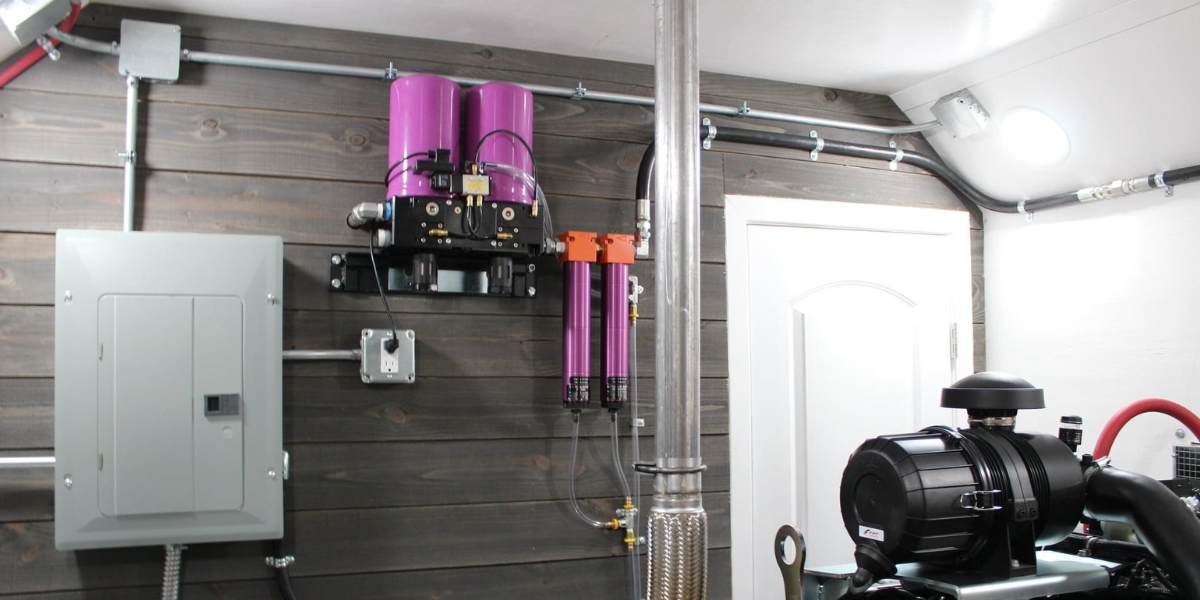
Factors that Influence Compressed Air Costs
Investment costs in your production are typically fixed and easy to budget. These can include the price of the equipment, installation, and insurance.
Energy expenses, however, are the largest driver of compressed air costs. These costs vary depending on:
- Energy rates: Electrical energy takes up the majority of your compressor-related expenses.
- Compressor efficiency: Keeping your compressor well-maintained allows it to produce the maximum output it is capable of. Unmaintained compressors typically become less efficient, which means they have to run longer to provide the volume of air needed for your facility. Oversizing your compressor can create unnecessary upfront costs, as well as higher maintenance expenses and energy bills.
- Operating pressure: Jobs that require higher pressures increase energy use exponentially. The industry rule of thumb is that for every 2psi generated over 100psi, the energy at the compressor increases by 1%. Ex. 100psi increased to 120psi, energy costs increase by 10%
- Operating time: The length of production time, increasing compressor run time, greatly influences energy consumption.
- Leaks: Air leaks force the compressed air system to use more energy as the compressor runs longer and more often to replace the loss of air. The Department of Energy estimates that 20-30% of compressed air generated is wasted through leaks.
DIY Cost per CFM Calculator
Want to see how efficiently your system is really running? As a general rule of thumb, the cost per CFM is about $0.25 per 1,000 ft.3, based on $.08/kWh. However, calculating the exact cost provides a clearer picture not only for your budget, but also for your operating system. Calculating the cost per CFM with this easy formula identifies how efficiently your compressed air system converts energy into usable air volume and helps you target areas for improvement.
To calculate your cost per CFM, follow these steps:
Cost per CFM = Compressor Hp x .746 x Hours x $/kWh / Compressor Efficiency
- Compressor Hp: the power required to run the compressor
- .746: the conversion factor from horsepower to kilowatts
- Hours: the total number of hours the compressor is running, in a loaded state
- $/kWh: the cost of electricity in dollars per kilowatt-hour; varies by location
-
Compressor Efficiency: the efficiency of the motor, typically around 95% (.95)

Common Signs Your Compressed Air System is Inefficient
When your air compressor system is running at peak performance, it adds efficiency to your production. That’s why it’s important to know the warning signs for when your system needs maintenance. These red flags include:
- Pressure drops or fluctuates: A decline in pressure could signal air leaks, clogged filters, or even the wrong-sized equipment.
- Frequent compressor cycling: Not only is this a sign of issues in the system, but it also increases wear and tear and reduces the efficiency of your system.
- Increased energy bills: If your bills are noticeably higher, it may indicate a system issue.
- Excessive maintenance needs: If you're constantly running repairs on your system, it's time to consider purchasing a new one.
In each of these cases, regular maintenance checks help you catch issues early and maintain production and quality.
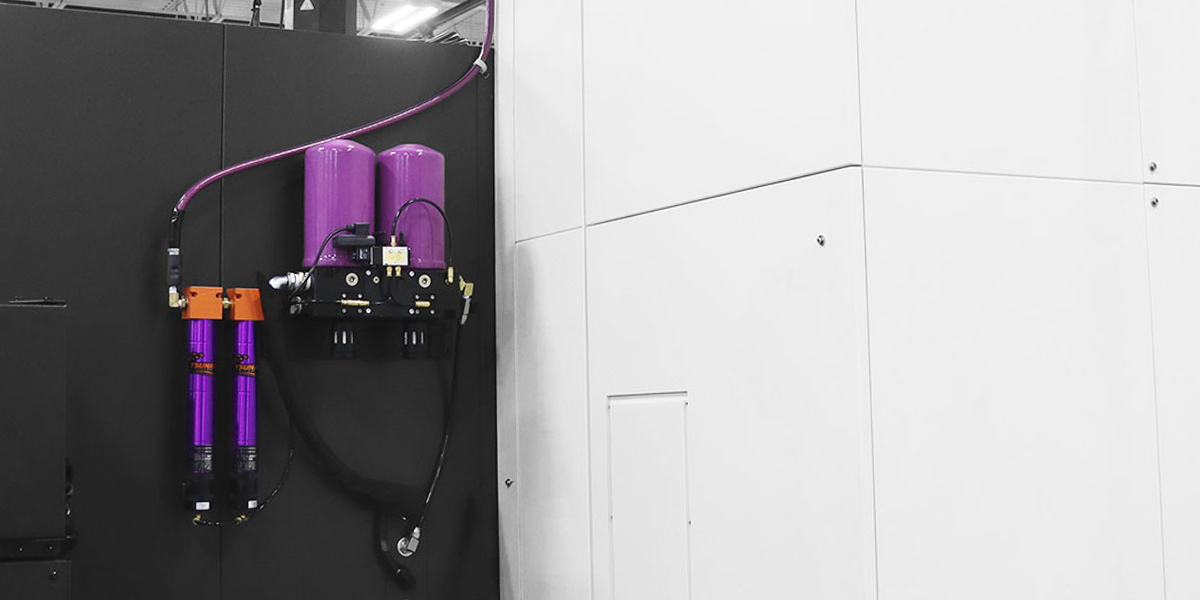
How to Improve Your Compressed Air System's Cost Efficiency
Now you’ve figured out how to calculate how much it costs to run your compressed air system. But what if it’s too expensive? How do you maintain it to keep it running smoothly? Here are a few tips to keep it running efficiently.
Tip 1: Conduct an air audit to identify leaks and pressure issues
An air audit can help you determine where you're losing energy through leaks and pressure drops. Detecting these issues early prevents them from becoming major, costly problems that could even halt production.
Tip 2: Optimize system controls and storage
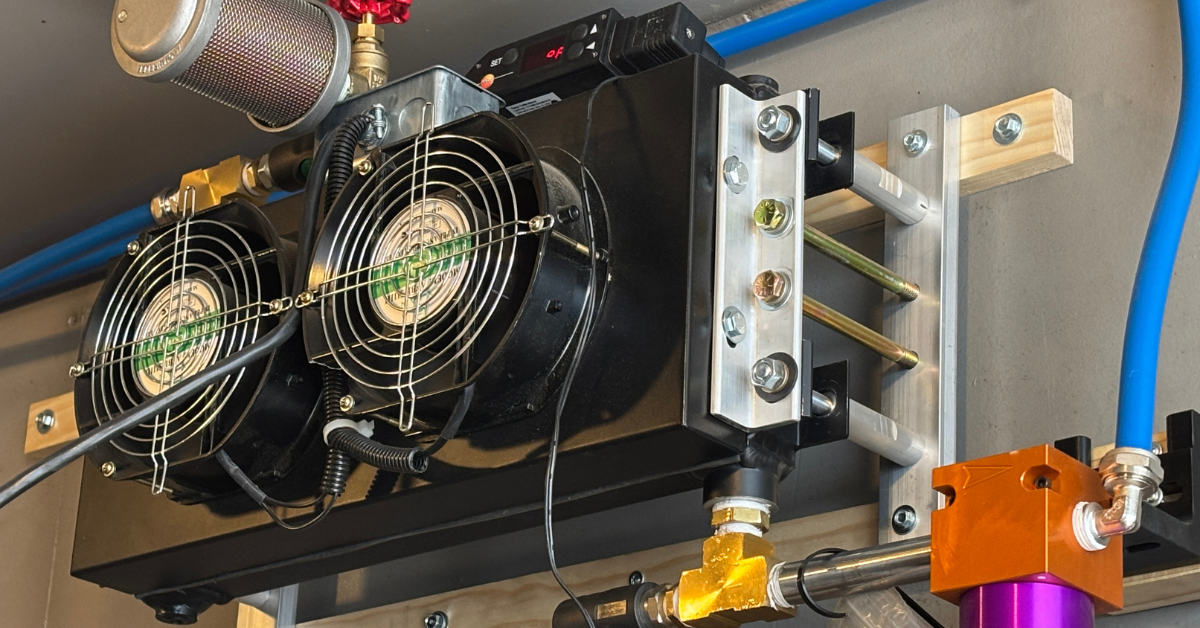
Maintaining system controls and ensuring adequate air storage helps balance demand, prevent pressure drops, and reduce frequent compressor cycling. You can also use variable-speed drive compressors for fluctuating demand and help manage pressure ebbs and flows. Adding an aftercooler to your compressed air system can also enhance overall system performance and longevity.
Tip 3: Regular maintenance and filter changes
Routine maintenance ensures your compressed air system runs at peak performance, maintaining proper air flow and reducing wear and tear on the equipment. This includes setting up a schedule to replace the system's filters, which helps avoid costly breakdowns and energy waste.
These small steps will increase your investment's value over time.


Ready to Maximize Your Compressed Air Efficiency?
Improving your cost per CFM will increase energy savings and reliability. Using this step-by-step calculation to determine your system's cost per CFM will help you keep an eye on shop issues and maintain your system's efficiency overall.
Learn more about the benefits of compressed air and why it's a shop essential. Contact the Tsunami team with any additional questions.
