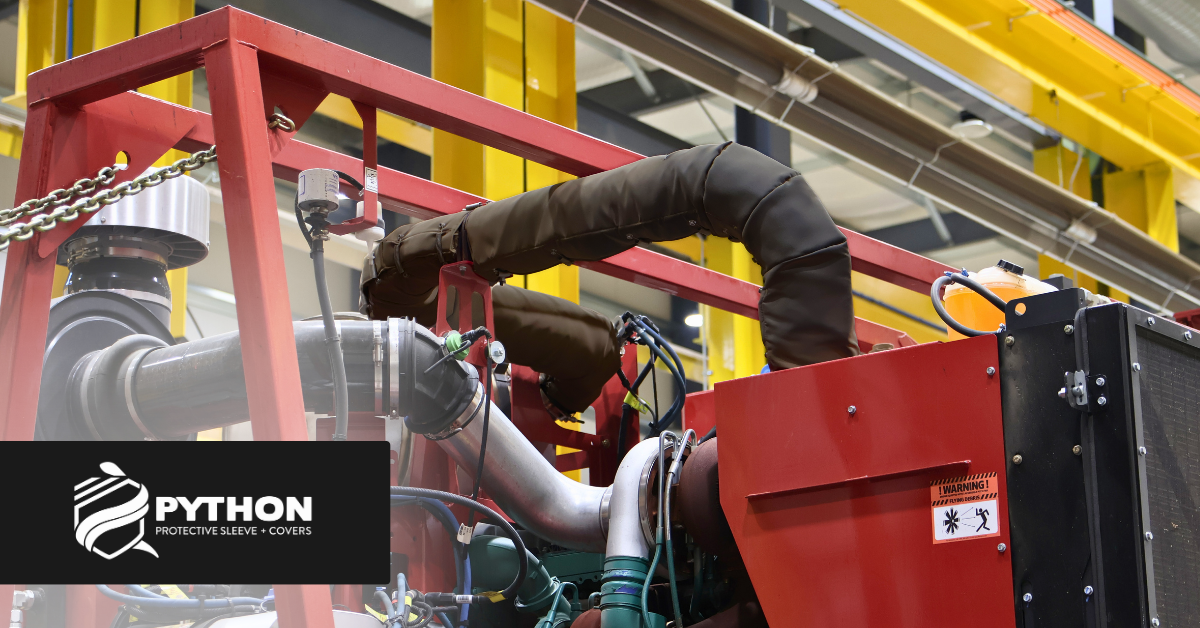
Today’s industrial environments can present demanding thermal management challenges. Effectively managing temperature is essential for protecting equipment and keeping operations running smoothly, whether that means shielding components from extreme heat, retaining heat, or preventing damage in cold conditions.
Although thermal management is often associated with excessive heat, applications may also need to minimize heat loss, insulate temperature-sensitive equipment, or maintain consistent temperatures.
Industrial textiles can be custom engineered to address each of these specific needs, providing a more effective alternative to an off-the-shelf solution. Read on to learn how industrial textiles support thermal applications, explore common materials, and understand the value of customized solutions.
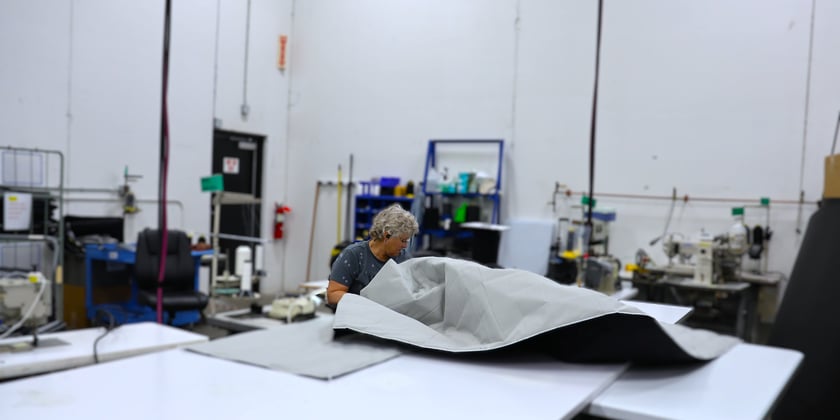
What Role Do Industrial Textiles Play in Thermal Management?
Industrial textiles can be designed to control how heat moves into, out of, or around equipment. The thermal properties of industrial fabrics determine how effectively the finished solution manages heat and withstands its environment.
Several factors influence material selection for maintaining desired temperatures. Fabric requirements vary by application and thermal performance goals. The table below outlines the key variables to consider.
Selecting Industrial Textile Solutions for Thermal Protection
Different thermal challenges require different types of textile solutions, which can be engineered for both hot and cold conditions. However, temperature is only one consideration.
Selecting the right solution involves considering the operating environment, temperature requirements, and fabric properties best suited to the application, or required level of protection. Important factors include:
- Thermal performance: Heat management and insulation requirements
- Durability: Abrasion, tensile, and tear resistance
- Environmental protection: UV, weather, water, and chemical resistance
- Application requirements: Flexibility, weight, layering, and equipment protection
Multiple textile layers and material properties can be combined to provide the necessary thermal performance, durability, flexibility, and equipment protection.
The table below outlines common engineered textile solutions and how you can use them.
| Solution | Uses |
|---|---|
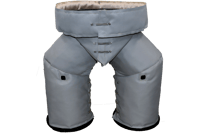
Thermal Insulation Jackets
|
|
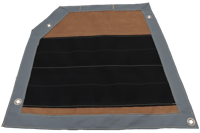
Industrial Insulation Blankets & Covers
|
|
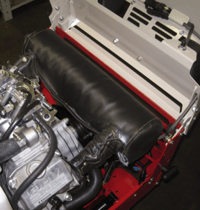
Muffler & Exhaust Covers
|
|
Removable Insulated Covers
|
|
Custom OEM Thermal Solution
|
When Thermal Solutions Require Customization
While a textile is typically known as just a simple piece of cloth, industrial fabrics can do so much more. Customized textiles can be designed and manufactured into a wide range of solutions, using specific material properties to meet performance requirements.
Industrial textiles aren’t one-size-fits-all. Equipment shape, operating environment, temperature, maintenance needs, and exposure conditions can vary significantly between applications. A custom solution accounts for both the equipment’s requirements and how workers need to access and interact with it.
Some of the most common customizable options include:
- Custom sizing: Ensures perfect fit to equipment
- Removable designs: Allow for quick cleaning, inspection, or replacement
- Straps and buckles: Provide high-tension security in harsh environments
- Springs: Maintain constant tension and accommodate movement or thermal expansion
- Hook-and-loop closures: Offer fast and tool-free adjustments, plus easy access
- Custom attachment solutions: Use specialized magnets and snaps for mounting surfaces

Find the Right Industrial Textile Solution for Your Thermal Application
No single industrial textile or insulation solution works for every thermal challenge. The right approach depends on what you need to accomplish – whether that’s retaining heat, reducing heat transfer, protecting equipment, addressing environmental exposure, or meeting unique equipment requirements
Customization offers flexibility and value for your industrial textile solution. It combines the right materials with the setup that is designed specifically for your application.
Ready to design your own solution? Explore our guide on Engineered Thermal Solutions to learn more about custom design, materials, configurations, and engineering capabilities.
