

Energy standards and building regulations continue to tighten for contractors and homeowners. Modern commercial building codes don’t just focus on how well insulation resists heat flow. They also require that insulation minimize air leaks.
Spray foam insulation is able to meet both of these standards in one application. It insulates and seals leaks, unlike traditional insulation materials such as fiberglass, which often require extra products to ensure proper insulation
However, the often overlooked factor when using spray foam is the vital need for high-quality air during application. To ensure the product is able to meet all the demands, it must be applied without additional contaminants or debris getting inside. Moisture, oil, and particulates can all impact its effectiveness.
Continue reading to learn more about the impact of air quality on performance, common air quality issues and system failures, and how air dryers can help mitigate common problems that pop up with spray foam insulation building regulations.
Why Spray Foam Performance Depends on Air Quality
Spray foam insulation is made by mixing two liquid ingredients, polyurethane and isocyanate. They are sprayed together through a foam gun, where they instantly react, expand, and harden into a solid layer of foam. The foam fills gaps, cracks, and any open spaces, creating an airtight seal and protective layer of insulation.
Air quality has a huge impact on the spray foam process. Good air quality will ensure the spray foam performs as it should. Contaminated air will lessen the effectiveness of the spray foam, leading to a whole new set of issues, such as:
-
Improper curing and hardening of the foam
-
Reduced adhesion to surfaces
-
Shrinkage or cracking after installation is complete
-
Low performing insulation
-
Gaps or voids that lead to poor energy efficiency
-
Increased risk of moisture-related issues, such as mold growth

Common Air Quality Issues in Spray Foam Applications
Spray foam insulation requires carefully controlled conditions to perform properly. Even minor issues during installation can affect adhesion, expansion, and long-term performance. Some of the most common factors that can cause problems include:
- Moisture contamination: Applying spray foam to a damp surface or in high-humidity environments can interfere with the chemical reaction, causing the foam to react with water rather than cure properly.
-
Temperature fluctuations: Spray foam relies on a precise chemical reaction between its two liquid components. If the materials, equipment, or application surface are outside the recommended temperature range, the foam may not expand or cure properly.
-
Oil, dust, and debris: Surface contaminants can create a barrier between the substrate and the insulation, preventing the foam from bonding correctly. They can also lead to air pockets and reduced insulation performance.
Common Insulation Failures Cause by Air Quality Issues
State building regulations require insulation systems to meet certain performance standards. Poorly applied spray foam may fail inspection or underperform in energy-efficiency testing. Air quality issues can contribute to costly rework and compliance challenges when inspection time comes.
The chart below outlines the most common issues and their impact.
| Issue | Failure/Impact | Inspection Result |
| Moisture | Foam expands prematurely, forming carbon dioxide gas bubbles. This creates a brittle, low-density structure, reducing its strength | May not perform as intended, leading to lower energy efficiency and reduced durability |
| Temperature Fluctuations |
Foam may not expand, cure, or bond properly, resulting in shrinkage, cracking, or uneven coverage | Insulation performance is reduced, creating gaps that can lead to energy loss and potential code compliance issues |
| Oil | Creates adhesion failures, causing the foam to pull away from the surface | Fail important performance tests that check for air leaks and moisture movement; loss of energy efficiency; possible moisture damage |
| Dust and debris | Clogs; spray pattern pulses and sputters | Uneven application, improper off-ratio mixing, uneven surface profile |
The Role of an Air Dryer System with Your Spray Foam Insulation
During the air compression process, humidity is sucked in, concentrated, and heated. A spray foam air dryer removes the water vapor before it reaches the equipment. This process improves foam consistency, performance, and regulatory compliance.
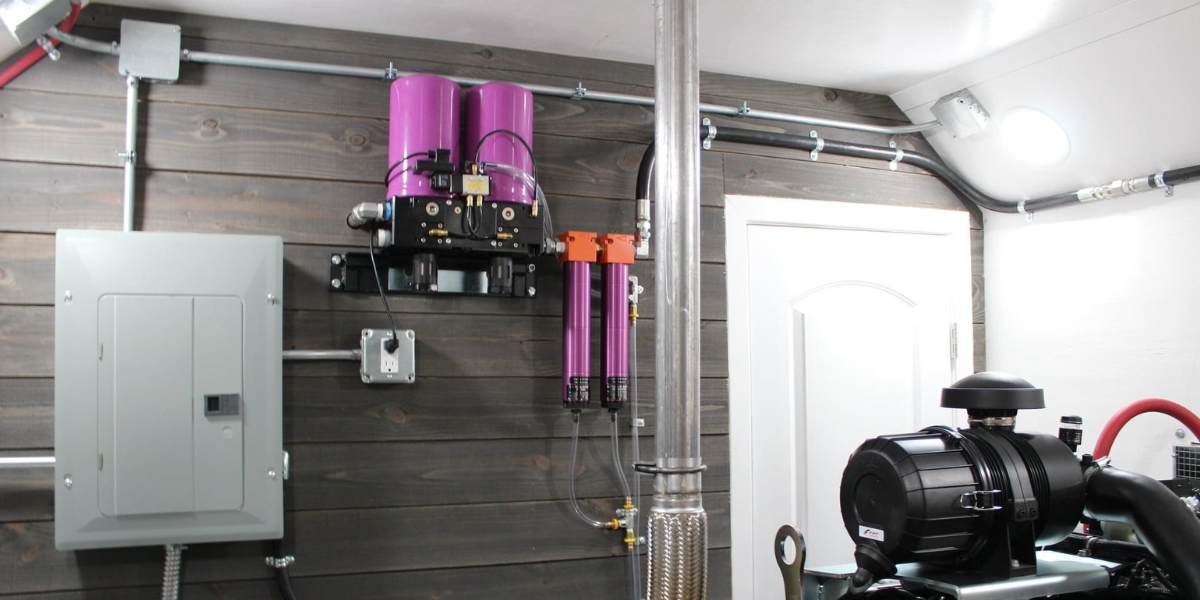
A compressed air treatment system used for spray foam applications typically includes:
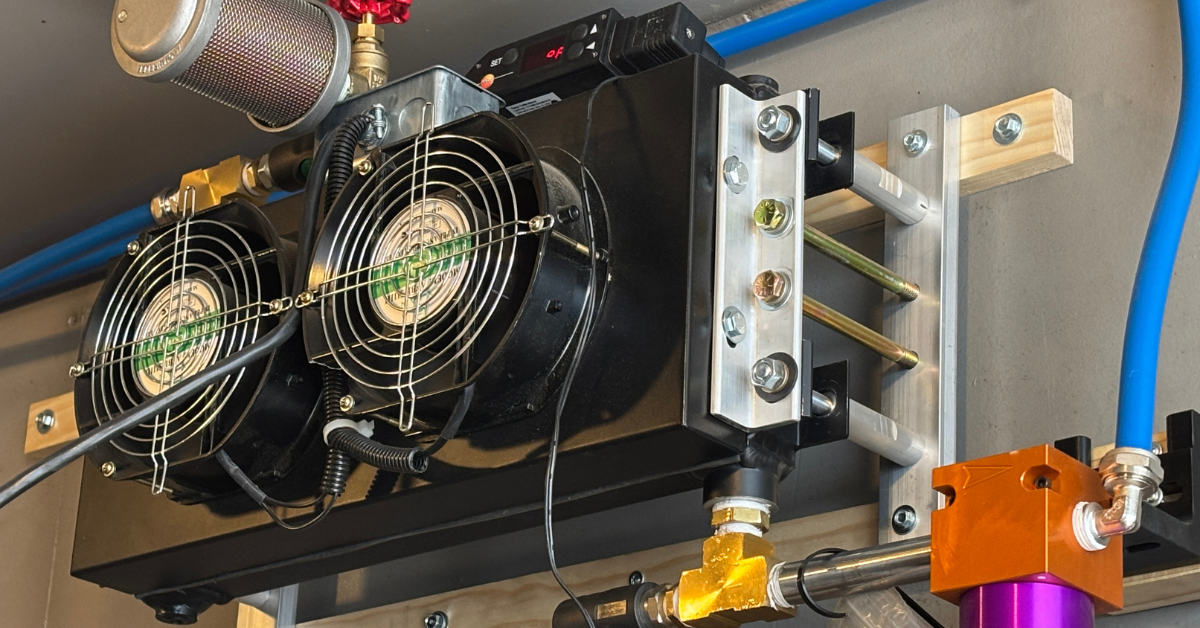
- Regenerative dryer (refrigerated or desiccant): Removes moisture from compressed air before it reaches spray equipment. Depending on the system, this may be accomplished through a refrigerated dryer or desiccant dryer. A refrigerated dryer cools the air to condense and remove water. A desiccant dryer passes air through moisture-absorbing materials to achieve lower dew points and drier air.
- Aftercooler: Rapidly cools air and condenses heavy vapor into liquid, which is the drained
- Air compressor filter: Removes impurities from compressed air, such as moisture, oil, dirt, and rust
Best Practices for Reliable Spray Foam Installation
Moisture, oil, and other airborne contaminants can interfere with the application process and affect the foam's overall performance. To help ensure consistent results and reduce the risk of installation issues, follow the best practices:
- Use proper filtration and drying equipment to remove mixture, oil, and particulates from the compressed air supply.
- Perform regular system maintenance to keep compressors, filters, dryers, and spray equipment operating efficiently.
- Monitor air quality and environmental factors to keep the temperature steady. Humidity and air cleanliness should remain within recommended ranges throughout the entire application process.
Ensure Insulation Performance with Reliable Air Treatment
Clean, dry compressed air is critical to spray foam success. Air quality directly impacts insulation performance and compliance outcomes. Investing in proper air treatment helps contractors avoid failures and meet regulations.
Ready to learn how clean, dry compressed air impacts spray foam quality? Explore the benefits of Tsunami Spray Foam Air Dryers and see how the right air treatment system can improve every job.
