
You’ve already taken the steps to improve your production efficiency by using a compressed air system as your source of power. But did you know that the compressed air system needs a line of defense?
Airborne debris, moisture, oil, and other contaminants can pose serious risks to your compressed air system. Left untreated, these unavoidable byproducts of compressed air generation can accelerate equipment corrosion and compromise product quality, leading to higher maintenance costs, reduced operational efficiency, and unexpected production downtime.
Proper air treatment systems are essential to keeping your operation running efficiently and reliably. In this article, we’ll cover:
- Why contaminants build up in the first place
- Methods for removing moisture from your air lines
- Costly consequences of neglecting this critical line of defense
- How proper air treatment keeps operations efficient and reliable
Why Contaminants Build Up in Compressed Air Systems
Compressed air systems naturally draw in airborne contaminants such as humidity, oil vapor, dust, and debris during operation. As air is compressed, its temperature rises, causing moisture to condense inside the system. Without proper filtration and drying equipment, these contaminants travel downstream, damaging tools, reducing efficiency, and contaminating products.
The table below shows what contaminants to be aware of and the warning signs that your compressed air system needs an air treatment solution.
| Contaminant | How it Enters the System | Warning Signs | Consequences |
| Water/Moisture | Humidity condenses during compression | Water spraying from air lines, corrosion, and rust in tools | Equipment damage, microbial growth, production downtime |
| Oil | Compressor lubricants and water vapor carry over | Oil residue neat endpoints, oily product surfaces | Product contamination, poor air quality, maintenance issues |
| Rust | Moisture corrodes pipes and tanks over time | Rust particles in pneumatic tools or air lines | Tool wear, clogged components, reduced system lifespan |
| Dust | Airborne debris enters through intake air | Pressure drops, clogged filters, inconsistent performance | Reduced efficiency, product defects, increased maintenance |
/tsunami%20industrial%20point%20of%20use%20air%20dryer_tusnami%20pure%2010%20mounted%20to%20makino.jpg?width=1200&height=600&name=tsunami%20industrial%20point%20of%20use%20air%20dryer_tusnami%20pure%2010%20mounted%20to%20makino.jpg)
How to Remove Water from Compressed Air Lines
Removing moisture from your compressed air line system requires multiple stages of filtration and drying. No single component can remove all forms of contamination. Relying on only one form leaves your system vulnerable to contamination.
To offer your compressed air system the best line of defense, use a layered approach:
- Water separators
- Filters
- Air dryers
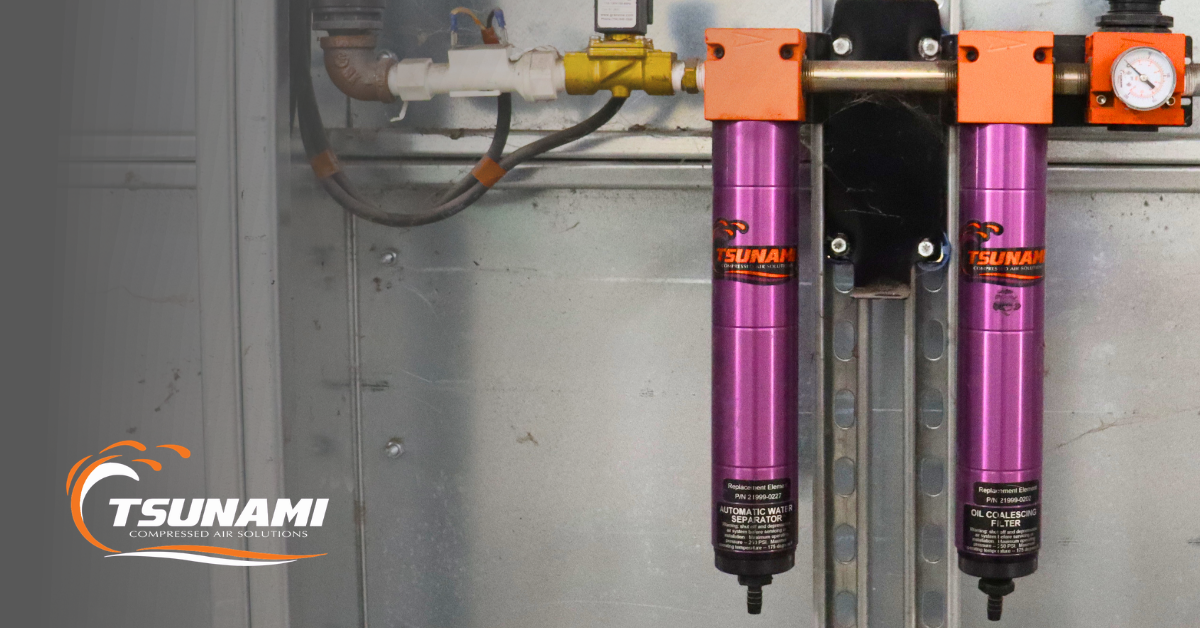
Compressed Air Water Separator
A compressed-air water separator is a mechanical device that removes bulk water and aerosols from compressed-air systems by centrifugal action. As air is compressed, moisture condenses and mixes with contaminants, creating water droplets and aerosols inside the air lines. The separator uses an up-flow gravity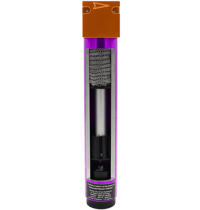 separation process that forces water and debris out of the airflow and into the automatic drain, slowing down the air to help prevent contaminants from re-entering the air supply.
Best placed immediately after the compressor and before the dryer and filtration system, water separators serve as the first stage in a compressed air filtration system. This provides critical protection for downstream dryers, filters, air tools, and pneumatic equipment. Removing excess moisture from compressed air systems decreases the chance of rust, corrosion, clogged equipment, and poor product quality.
Add Proper Filtration
In addition to an air-water separator, compressed air system filters are used to remove contaminants like oils, dust, and excess moisture from the air before it reaches downstream equipment. As the compressed air passes through the filter, contaminants are directed to the drain for removal or are physically trapped by the filter.
There are several types of compressed air system filters to choose from, including oil coalescing filters and activated carbon filters. Oil coalescing filters remove fine water and oil aerosols along with tiny particulates. Activated carbon filters are used primarily to remove odors and oil vapors from the compressed air supply.
Use Air Dryers When Needed
Compressed air systems will always produce moisture, which can increase the risk of rust and corrosion, impact lubricants, and cause freezing air lines in cold temperatures. An air dryer removes this water vapor from compressed air, preventing moisture from condensing in your air lines. Two of the most common types of air dryers are refrigerated air dryers and desiccant dryers.
Refrigerated air dryers are the most common for general-purpose applications. These dryers cool the compressed air to condense and remove moisture, typically achieving a pressure dew point around 35-50 degrees Fahrenheit. Because they are energy efficient and cost-effective, refrigerated air dryers are ideal for applications that don’t require extremely dry air.
Desiccant air dryers are used when very dry air is critical. These dryers remove moisture using desiccant material that absorbs water vapor and can achieve dew points as low as -40 to -100 degrees Fahrenheit. While they typically have a higher operating and maintenance cost, desiccant air dryers are commonly used in food processing, pharmaceuticals, electronics, and outdoor cold-weather applications. 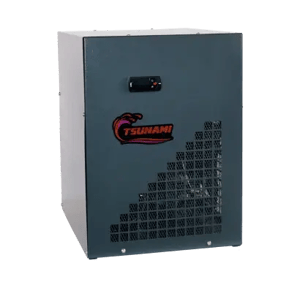
/21999-1140%20tsunami%20pure%207%20regenerative%20dryer_web%20bucket.png?width=300&height=315&name=21999-1140%20tsunami%20pure%207%20regenerative%20dryer_web%20bucket.png)
The Hidden Costs of Moisture and Oil in Compressed Air
Taking a proactive approach to compressed air treatment is essential for preventing larger equipment and production issues down the road. By removing water and excess moisture from your compressed air system early, you can reduce unnecessary maintenance, improve system reliability, and avoid costly disruptions in the future.
Choosing a reactive versus a proactive approach for your compressed air system could lead to:
- Damage to your equipment: Water and moisture in compressed air can cause corrosion inside pipes and tools, accelerate wear on pneumatic equipment, and even cause frozen lines in cold environments.
- Product quality issues: Moisture and contaminants in compressed air lines can negatively affect product quality across a variety of applications. In packaging environments, contaminated air can compromise products and materials, while in spray applications, excess moisture and debris can cause defects such as fisheyes and uneven paint finishes.
- Increased operational costs: Over time, moisture in compressed air lines can significantly increase production costs. Excess moisture forces equipment to work harder, reducing overall energy efficiency and increasing wear on system components. This often results in more frequent maintenance, costly repairs, and unexpected production downtime.
/rule%20of%2020%20featured%20images.jpg?width=840&height=420&name=rule%20of%2020%20featured%20images.jpg)
Key Steps for Long-Term Air Line Water Removal
Continuing with a proactive approach by actively taking steps to remove moisture from your compressed air system can help prevent costly equipment damage and product quality issues before they happen. Follow these four key steps to help keep your compressed air system clean, dry, and running efficiently.
- Drain condensate regularly.
Consistently remove collected moisture by adding automatic drains to your system. These drains detect the presence of condensation using sensors, and once a predetermined amount accumulates, the drain valve is triggered. - Maintain filters on schedule.
Follow the manufacturer’s recommendation for filter replacement. This helps prevent filter saturation and pressure loss, ensuring your machine runs efficiently. - Size your system properly.
Ensure your compressor system is large enough to handle your production’s air demand. If the system is too small, it has to work harder, making it run hotter, creating more moisture. - Understand air quality requirements.
Different applications mandate different levels of clean, dry air, according to the ISO. For example, paint applications or food processing may need cleaner air than general shop tools. Review your air quality requirements to determine what additional equipment and steps you need to meet these standards.

Improve System Performance with Cleaner Air
Dirty compressed air can reduce efficiency, increase operating costs, and negatively impact the quality of your final product. Adding the right combination of water separators, filters, and dryers helps protect your equipment, maintain consistent production quality, and reduce unexpected downtime. With a properly treated compressed air system, your operation can benefit from improved productivity, lower maintenance costs, and a stronger return on investment.
Tsunami offers durable, easy-to-install filtration systems that provide efficient moisture removal and long-term performance. Learn more about choosing the right air treatment system for your application.
